There is no one licence for cosmetic tattooing that covers Australia; the rules in 2026 will vary from one of the eight states and territories to the next. A practitioner has to put in the work to meet public health standards at state or territory level, as well as any planning controls, national chemical laws and local council dictates.
What follows is a guide to the regulatory landscape for such treatments as lip blush, eyeliner, brows, scalp micropigmentation and the like. I am Isabella Marlowe and my counsel is straightforward: do not open up, make a move or set up in your home without first verifying with the appropriate health authority and council what is required of you. Local conditions have a way of changing.
The Right Authority to Approach
It is better to know who to deal with in order to avoid some bureaucratic ping-pong and the time and expense it entails. While the state provides the overarching health framework, matters of premises registration, enforcement and planning are more often than not the province of the council.
State and National Divisions
The way cosmetic tattooing is regulated in this country is a matter of overlapping systems. Infection control, premises standards and skin penetration procedures are the purview of the states and territories, as is operator licensing or competency in certain jurisdictions. For consumers, this makes vetting professional credentials especially important. The Australian Government has its own role in governing industrial chemicals via AICIS and there are workplace safety, privacy and consumer law obligations to contend with.
Then there is the council, which may register or put a premise through an inspection, rule on a development application or say whether a given address is suitable for a home business. One should not be under the impression that having done a course in cosmetic tattooing will secure a licence where one is needed or win council approval.
In Legal Terms
To the extent that it means implanting pigment by puncturing the skin, cosmetic tattooing is subject to the same skin penetration laws in Australia as any other activity with a blood-borne infection risk. Queensland tends to see it as a higher-risk service and regulate it under personal appearance services (PAS). Elsewhere it might be called body art or a regulated premises. The nomenclature is different but the risk of infection is not. Nor does describing something as “semi-permanent makeup” take it out of the hands of public health regulators when it comes to microblading, machine hairstrokes or permanent eyeliner.
A Quick Comparison
For a working overview of how things stand in each of the eight Australian jurisdictions in 2026, the table below is a good place to start, though written confirmation from the authority in charge of the premises is indispensable.
| Jurisdiction | Main Regulatory Approach | What to expect locally | Points to check |
|---|---|---|---|
| New South Wales | Public health legislation on skin penetration | Notification to the council, an inspection is possible | NSW security legislation could mean separate rules for the tattooist and the parlour |
| Victoria | Premises where skin is penetrated are regulated by public health law | You will need to register with the council | Put your mind at ease over reusable-equipment controls, handwashing and plans |
| Queensland | Legislation for higher-risk personal appearance services | A licence from local government | Those doing higher-risk work must have the requisite infection-control competency |
| Western Australia | Health guidance and regulations for skin penetration | Environmental health and planning from the local government | Find out the council’s process for notification and inspection |
| South Australia | Safe-practice and public health requirements for skin penetration | Oversight from the council on environmental health and planning | A word to the wise is to ask if plan approval or an inspection is in order |
| Tasmania | Guidance on tattooing and public health controls | The council may require approval or a licence | Check the conditions for both the operator and the premises prior to trading |
| Australian Capital Territory | Skin penetration is a matter of public health regulation | There may be an ACT health licence or approval | Go directly to the source on current obligations |
| Northern Territory | Controls on public and environmental health | Planning approval from the territory and local levels | Verify the registration and facility requirements for remote services |
Taken together these are all of the jurisdiction-specific rules in effect across the country, with the national chemical regulation on top. That is the reason a certificate that is fine in Brisbane will not answer every compliance issue in Darwin, Perth or Geelong.
Business Obligations
You can be technically proficient and still be in breach of the law if the room or the paperwork is not in order. Get the site requirements sorted before you put pen to paper on a lease or turn a spare room into a studio; a stainless-steel bench is a costly piece of furniture if the planning permission is denied.
NSW
In New South Wales 2026, any business carrying out skin penetration has to notify the local council and abide by the public health legislation. NSW Health has an official guidance document for skin penetration procedures that lays out the hygiene framework in its official skin penetration procedures guidance.
And do not assume that because it is cosmetic in nature you are exempt. There are tattoo-industry controls in NSW that are run apart from the normal council hygiene oversight, so it is incumbent on the practitioner to see if they need a tattooist or parlour authorisation. Registration of Victorian Premises
Registration of Victorian Premises
Under the 2026 Victorian cosmetic tattoo regulations, any business that penetrates the skin is considered to be engaged in a regulated activity. Public health law in Victoria will have most enterprises registering with the local council and conforming to the infection-control standards of the Department of Health.
A mobile operator would be mistaken to think registration is tied to the machine. Be it a salon room on rent or another venue, one has to consider if there are separate issues to resolve over cleaning, waste, surfaces and sinks, and who is responsible for them.
Licensing in Queensland
The legislation for personal appearance services is how the 2026 rules in Queensland are enforced. As a rule, cosmetic tattooing is deemed a higher-risk service; this means the business must have a licence from local government and the individual doing the work is expected to possess the requisite infection-control credentials or something of comparable standing. Councils will handle the licensing side of things within the framework put in place by Queensland Health. Should a practitioner’s work take him or her into different council jurisdictions, it is prudent to verify if each spot calls for its own approval.
Rules for the West and South
In Western Australia the Department of Health’s guidance is to be read in conjunction with the 1998 Health (Skin Penetration Procedure) Regulations. When putting in place a residential or mixed-use property, practitioners are well advised to put questions to their local government on building, planning and environmental health.
South Australia has its own public health laws and safe-practice directives to manage infection risk. Because council procedures vary, do not put a booking in the books without getting written advice on what is needed by way of notification, inspection, premises approval and the like for handling waste.
Other Jurisdictions
Tasmania, the Northern Territory and the ACT see tattooing as a public health concern and regulate it as such. One should check with the council and the health authority having jurisdiction on the matter of current licences, operator conditions and the rest, since the nomenclature and the way they do things will not be the same.
There is no point in packing the cartridges in an orderly fashion in a hotel room or beauty suite and assuming it is an approved facility for skin penetration. Pop-up and remote services demand more scrutiny.
Making a Home Studio Compliant
It is possible to run a home-based operation legally but “home” does not offer any regulatory leeway. The space where treatments are done must abide by the hygiene principles of a commercial set up and may call for the go-ahead of the strata, landlord or mortgagee.
What can you tattoo from home in Australia? It is a question of the layout, the property and the council. They will want to look at zoning, parking, customer flow, wastewater, animals and handwashing facilities, and whether the treatment area is suitably removed from domestic life. Get the planning and environmental health people at the council to put their advice in writing. If the property is under a strata scheme, review the rules; if rented, have the owner’s say so. And make sure insurers are aware of the invasive nature of the work being conducted at the address.
Compliance in Practice
Any checklist for a tattoo business ought to be more than a list of what is on the trolley by the bed; it should encompass the whole of the client experience. What follows is the practical minimum to be had, though the regulator could want more.
- Before opening for trade, put in order your state licence, planning approval and whatever the council requires by way of registration or notification.
- Where the rules dictate, have a handwashing basin to hand with running potable water, liquid soap and towels for one use only.
- Needles and cartridges are to be sterile and single-use and put in a sharps container forthwith.
- See to it that lighting is adequate and equipment is properly stored and kept apart, cleanable surfaces maintained and so on.
- Keep records of consent, aftercare, age checks, pigment and batch numbers as well as sterilisation and cleaning.
- Have clinical waste taken care of and the collection papers to show for it.
- Professional indemnity and public liability insurance must be in force and specifically include cosmetic tattooing.
- And have procedures in place for safety, privacy, advertising and any complaints or adverse events.
Infection Control
The 2026 requirements are all about severing the link between blood, the equipment, the products and the subsequent client. Gloves are important yet they are only part of it; using them to pick up a phone when they are contaminated is counterproductive.
Sterile Work and Training
Practitioners should have training in infection control commensurate with their work and jurisdiction. In Queensland a competency is called for with higher-risk personal appearance services; elsewhere the authorities may not have the same licence but will expect you to know your stuff.
Hand hygiene is to be observed at the right time, a clean field prepared and barriers put in place. After the client is done, single-use items are to be binned. An instrument that has been in the skin must be sterilised, typically in a steam unit with the cycles and maintenance documented; a surface disinfectant will not do. A needle module, a cup of pigment or any of the remainder is never to be used again. Do not let soiled hands come in contact with a clean bottle or drawer and do not put product back in the container once it has been dispensed.
Screening and Consent
In Australia a practitioner’s consent form ought to put on record the client’s informed agreement, verify age and identity and note any pertinent health data. It is also for recording the design and site as agreed, what pigments are to be used, risks that can be anticipated, aftercare and, if it applies, permission for photography. Be aware that no amount of waivers or consent forms will void statutory consumer rights or serve as an alibi for negligence.
Screening is to be done for allergies, skin conditions that are active, any impediments to healing, blood-borne infection hazards, medications and procedures of late. Should a medicine or condition give cause for doubt, the practitioner has to refer the client to a medical professional and not go beyond his or her competence.
There is a link between liability and aftercare. Clients should be given clear written directions on cleaning, swimming, sun, cosmetics, what to expect in the way of healing and any warning signs. Make it known when they are to get in touch with the practitioner and when symptoms like fever, pus, heat, pain that is spreading or redness call for a swift medical opinion.
Pigment Safety Limits

The regulation of tattoo ink in Australia is something of a patchwork; there is no pre-market approval to vouch for every cosmetic pigment. Do not be taken in by a well-presented bottle and a supplier who exudes confidence as proof the product is sterile and fit for implantation.
Chemical Duties and AICIS
AICIS is the body that enforces the Australian Government’s responsibilities over industrial chemicals. An importer or business putting such chemicals on the market could find itself with duties to register, report or keep records under the relevant regulations, even if the end product is being put forward as tattoo ink. That said, AICIS oversight is not an individual imprimatur of safety for injection into the skin. Prudent practitioners will buy from traceable suppliers and hold on to invoices, lot numbers, expiry dates, ingredients and sterility evidence.
What Overseas Standards Mean
REACH restrictions are in force in the EU and may have an effect on products of an international nature but they do not make law here in Australia. While “REACH compliant” is information of some use from a supplier, it is no replacement for local public health compliance or our own chemical obligations.
One should store pigments properly to avoid cross-contamination, check for recalls and put down exactly what was used on a client. In the event of a reaction this kind of traceability is useful evidence, not just some sardine-like paperwork in a drawer.
Regulatory Developments to Note
Lately the focus has been on the make up of inks, how competent operators are, infection control and the state of regulation. Yet nothing in the current information suggests a sweeping nationwide reform has been put in place in 2024-2026 to supersede the rules of each jurisdiction.
Law Versus Proposals
An insurance provider like Upcover or the Australian Tattooists Guild might put forward commentary, or 7NEWS will run a story, all of which can draw attention to a risk or a reform on the table. They are not legislation or an official directive from the council or health authorities.
It is important to make the distinction between a proposal and a law that is in effect before one goes about buying equipment or setting an opening date. Verify with the government authority concerned.
On the subject of qualified practitioners
A framed course certificate is not enough for the salon owner and the consumer requires more than a good photograph on social media. Vetting credentials is the way to see if the practitioner has a grasp of colour and shape as much as he does of legal limits, hygiene and complications.
Some questions to put to them first
When money is to be exchanged a consumer or owner would do well to make these checks. Any reputable practitioner will have the answers and the evidence to show without getting defensive. Find out what health authority or council has jurisdiction over the premises and put in a request for proof of registration or licensing as is called for.
One should also look into the training on infection control and cosmetic tattooing, to be sure of any competency required by the jurisdiction. Inquire as to the sterility of the needles and cartridges and that they are not re-used; observe the opening of them. For the treatment record have the brand and shade of pigment put down along with batch number and expiry.
Make a point of going over the procedure for complications, the aftercare plan, and the policy on consultation, consent and patch-testing. And see that the professional indemnity and public liability insurance is in order for the treatment in question.
To judge safety by a well healed brow is a mistake most make. A nice photograph will not tell you if the room is registered, or about hand hygiene and the disposal of sharps. Responsible practice is to be found in those unglamorous details.
Frequently Asked Client Questions
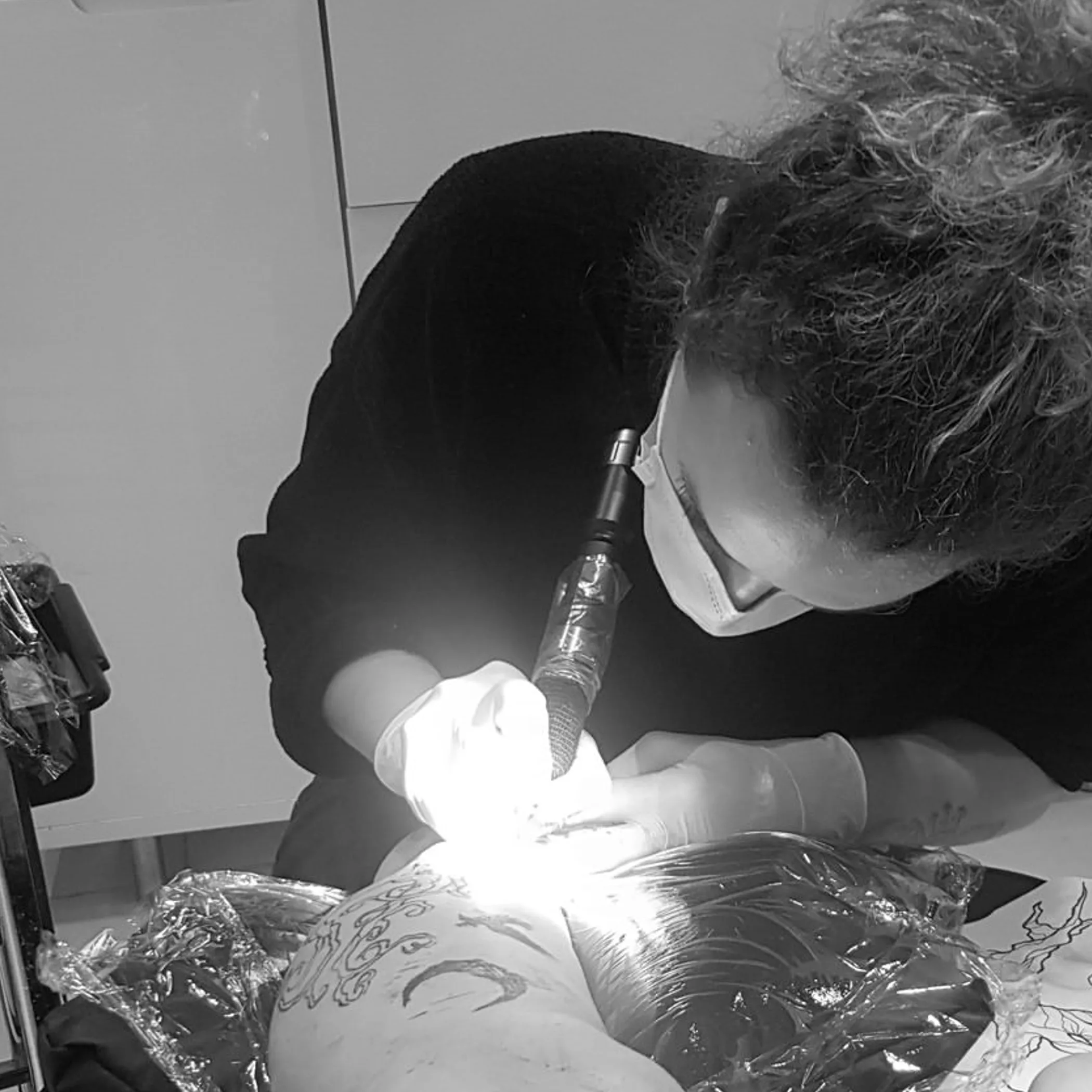
The following are answers to five misconceptions we come across; there is no one rule that applies to every postcode. Any matter of age limits, authorisations from the tattoo industry or approvals of the premises must be verified in the jurisdiction where the work is done.
Are Face Tattoos Legal?
Not in Australia at least, there is no national prohibition of any kind on face tattoos, cosmetic or otherwise. But the practitioner and the procedure have to meet the requirements of the jurisdiction in terms of public health, consent, age and so on. Minors can be subject to further restrictions and an ethical, clinical or insurance consideration may see a practitioner turn down a case.
Are Tattoos Losing Popularity?
The data does not bear out any claim that 2026 is seeing the end of fashion for tattoos. While tastes may vary, the legal obligations around consent, infection control and traceability of pigments are not affected by how popular something is.
Is Tattoo Ink Regulated?
Chemicals coming into Australia can be regulated under industrial chemicals law and other state, workplace and consumer rules. But do not assume that is tantamount to the government having given its nod for implantation of every pigment. An AICIS listing or some supplier marketing and overseas REACH claims are not to be taken as a blanket endorsement of safety.
Can Home Tattooing Be Legal?
An operator running from home is allowed to do cosmetic tattooing provided the business and premises are in compliance with all the health, planning, property and insurance requirements. You cannot use a domestic address to get out of your duties in respect of sterilisation, waste, recordkeeping, handwashing or licensing.
What Is The Minimum Age?
You will not find a national answer for Australia in 2026 as the laws of the states and territories are not uniform and cosmetic tattooing can fall under general body-modification provisions. A parent’s consent is not enough to make a treatment lawful in all instances. It is incumbent on the practitioner to check the law for the location, document the consent and confirm the minor’s identity and age.
Confirm Before You Commit
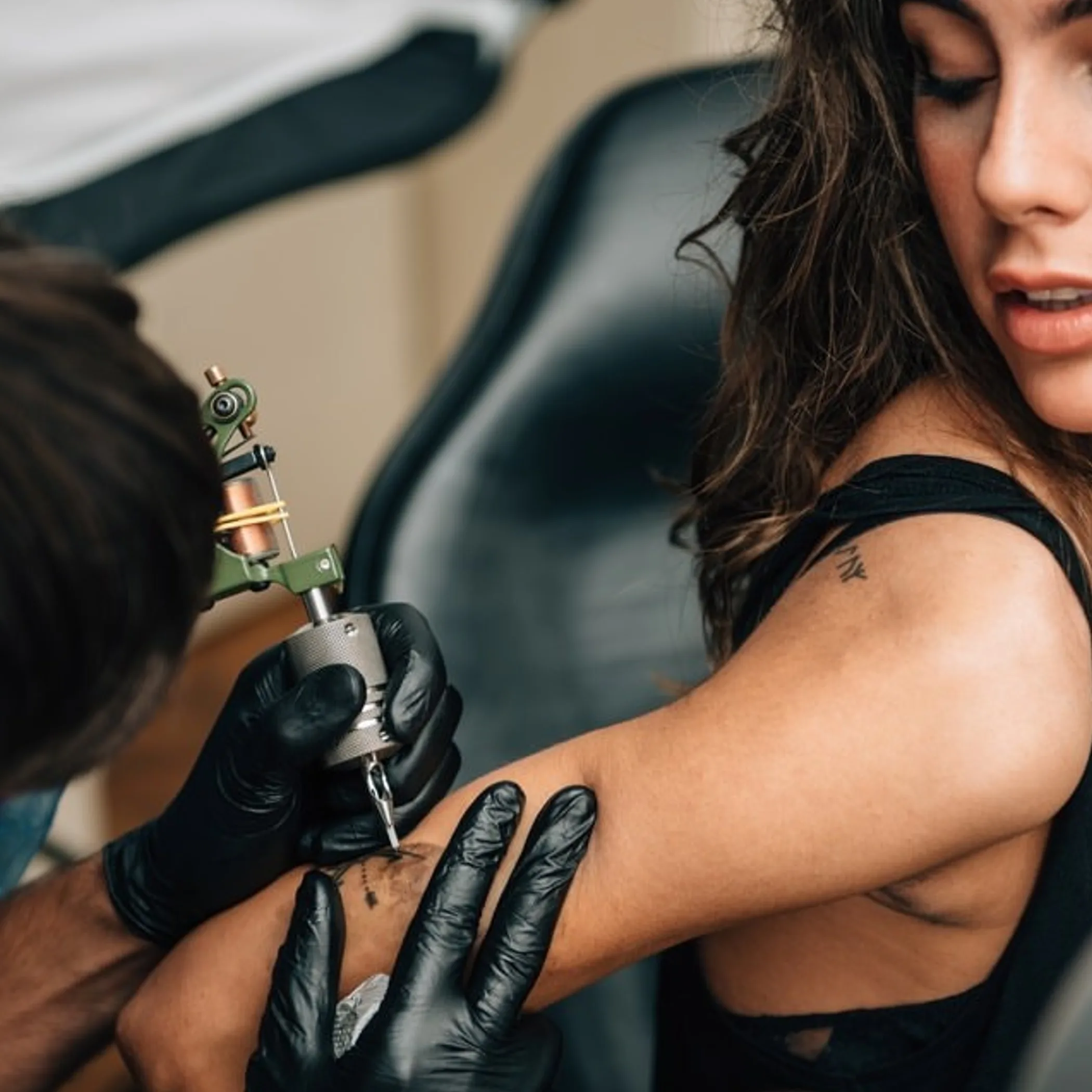
Compliance in cosmetic tattooing is built on four things: products you can trace, infection control without compromise, a competent practitioner and premises that are above board. The framework is set by the state, the councils look after the localities and national chemical rules can impact on inks and importers.
I would advise getting it in writing before you book a procedure or open up a home studio or part with money for a fit-out. My advice is not particularly glamorous but regulations and the way councils do things can alter since publication. This guide is meant as general information on the current context for 2026, not legal counsel.