Reef Trip Prep Guide
A no-nonsense way to get ready for an offshore reef boat trip, covering the safety gear, packing and local know-how.
Proper preparation is a matter of three things: put in the time on the marine forecast, have your safety gear in order at the ramp, and pack with sun, salt and motion in mind, not some pleasant daydream of being on dry land. Do it right and you will be more at ease and have a better time of the reef; do it wrong and half the day is lost looking for a mask strap or some tablets for the nausea.
I am Isabella Marlowe and my experience of boat days in Australia has taught me that the sea is indifferent to your optimism and will make an example of you for it. It does not matter if you have your camera if you have not thought to bring extra water. The reef favours the organised. Be you off to the Great Barrier Reef, Ningaloo or any other corner of this coral ecosystem, having your preparation in place is of more consequence than having the most expensive equipment.
The Basics
There are the unglamorous details to attend to before a reef boat trip can be any good. Your gear, the boat, the weather and you must all be in sync; one deficiency and a fine day is made rough as guts.
In this guide I go into the practicalities of what to expect and what to pack, and what the operators will put out for you. You will also find some hard facts on timing and cost as well as how the major Australian regions differ from one another. Experience the vast coral ecosystem of the Great Barrier Reef.
Who Should Read This
Travellers with a commercial snorkel or dive booked, and private boaters with an offshore day in mind. A beginner will want the clarity of a packing list here but even the old hand on a boat would do well to read up; complacency is a mistake best avoided.
Then there are those for whom a guided trip is the sensible course. If you are not a confident swimmer or the motions of the sea tend to get to you, or you are unaccustomed to offshore waters, leave the small private boat behind. An outing on a Glass Bottom Boat or pontoon is a less trying way to start than a long haul in a small vessel.
Weather And Rules
Leave the towels and snacks to later and deal with the environmental and legal matters first. Offshore conditions have a way of turning on a dime and the rules of a marine park are not there for decoration.
As I would say, being underprepared by disregarding the forecast or access rules is hardly spontaneous and it has a habit of costing you.
Make Sure You Have Read The Marine Forecast
Departure day morning and before then, consult the Bureau Of Meteorology marine forecasts for Australian waters. Their warnings and forecasts for high seas and coastal waters are what you need to be comfortable offshore, for it is as much about current, tide and wind direction as it is rain.
Folks have a tendency to look at the air temperature and let the swell and wind strength slide. But a cross-swell on a sunny day will be enough to ruin the ride for a novice making his way out of Cairns, Exmouth, Coral Bay or Port Douglas.
Moorings, Permits, Protected Zones
If you are a private boater, see what the local authority or marine park have in the way of mooring and permit requirements. The Great Barrier Reef and Western Australian areas may have different rules when it comes to anchoring, fishing or who can where.
On a tour the operator takes care of such things. Going on your own means you should set aside some time the day prior to check your zoning maps and parking limits, and if the tides alter your return route. That is where many are caught out.
Access And Timing
Commercial operators will have you checking in 30 to 60 minutes ahead of time, and they are often early to avoid the afternoon weather. Plan for your private departure to run over schedule once you factor in fuelling, loading and the general faffing with eskies and masks; a 7 o’clock start is easily an 8 o’clock affair.
Parking in the ports gets scarce on a long weekend or during the school holidays. With only a day to spare, put in for a trip from a marina that is well established rather than attempt to put together the logistics at dawn.
The Safety Essentials
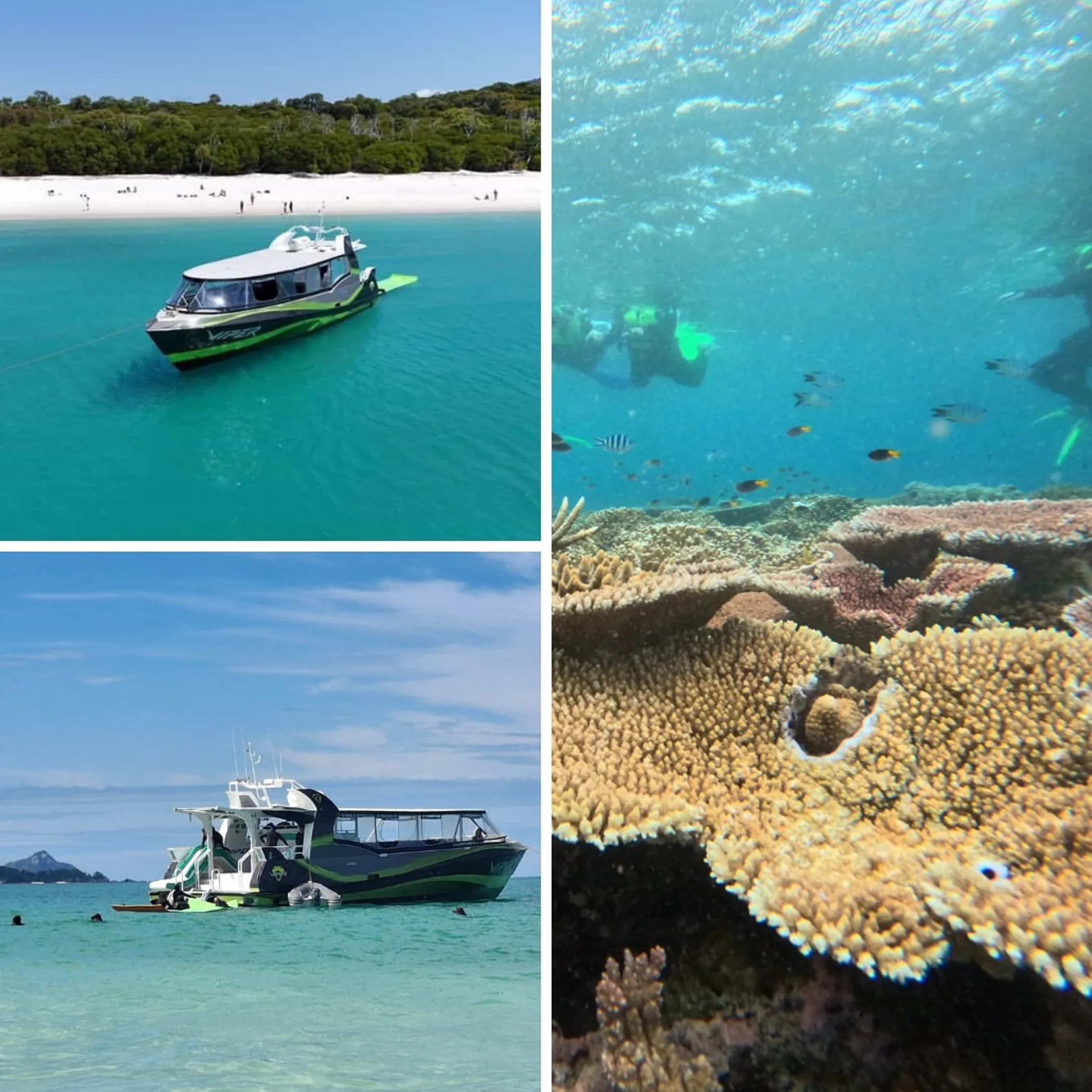
There is no thrill in safety gear, yet it is what you need when the engine gives a cough or the weather sours, or should a foot be cut on a ladder. One would want an offshore boat safety checklist to be put through its paces and stowed away, not simply gone over in one’s head with a flat white in hand.
This is where the day is made or unmade on a private boat. The reef is no place to find your torch has a dead battery or the first aid kit is full of old tablets.
Boat Safety Equipment
Your checklist for a private outing must have a VHF radio that works, an EPIRB (Emergency Position Indicating Radio Beacon), life jackets to the standard for every passenger, means of signalling, navigation and a well put together first aid kit. An EPIRB is about as good a backup as you can have offshore.
In the case of a hired or borrowed craft, do not make assumptions; verify what is there. I have been known to watch folks go over the quality of the speakers and seating with a fine tooth comb and not bother to see if the radio will power up. Put some priorities on it.
A list for offshore:
- A VHF, tested and charged
- EPIRB in date and registered
- Correctly sized life jacket for all
- First aid with dressings, sting care and seasickness meds
- Whistle, torch and other signalling
- Phone in a waterproof case with a spare battery
- Chart or app for navigation
- Fuel in reserve for the route
- Float plan and emergency numbers with someone onshore
Private Boats and Commercial Tours
With the bigger outfits like Quicksilver Cruises or Cairns Discovery Tours the crew will have the marine safety gear in hand and include briefings in the course of the trip. The skipper of a private vessel has to take on everything from the pre-departure items to the emergency plans and radio procedure.
As for insurance, read the policy wording. Nautilus Insurance and others will provide marine cover but the scope and exclusions are different from one provider to another, so it is better to review the terms before you leave than once trouble has come along.
Put on something suitable for the sun and salt
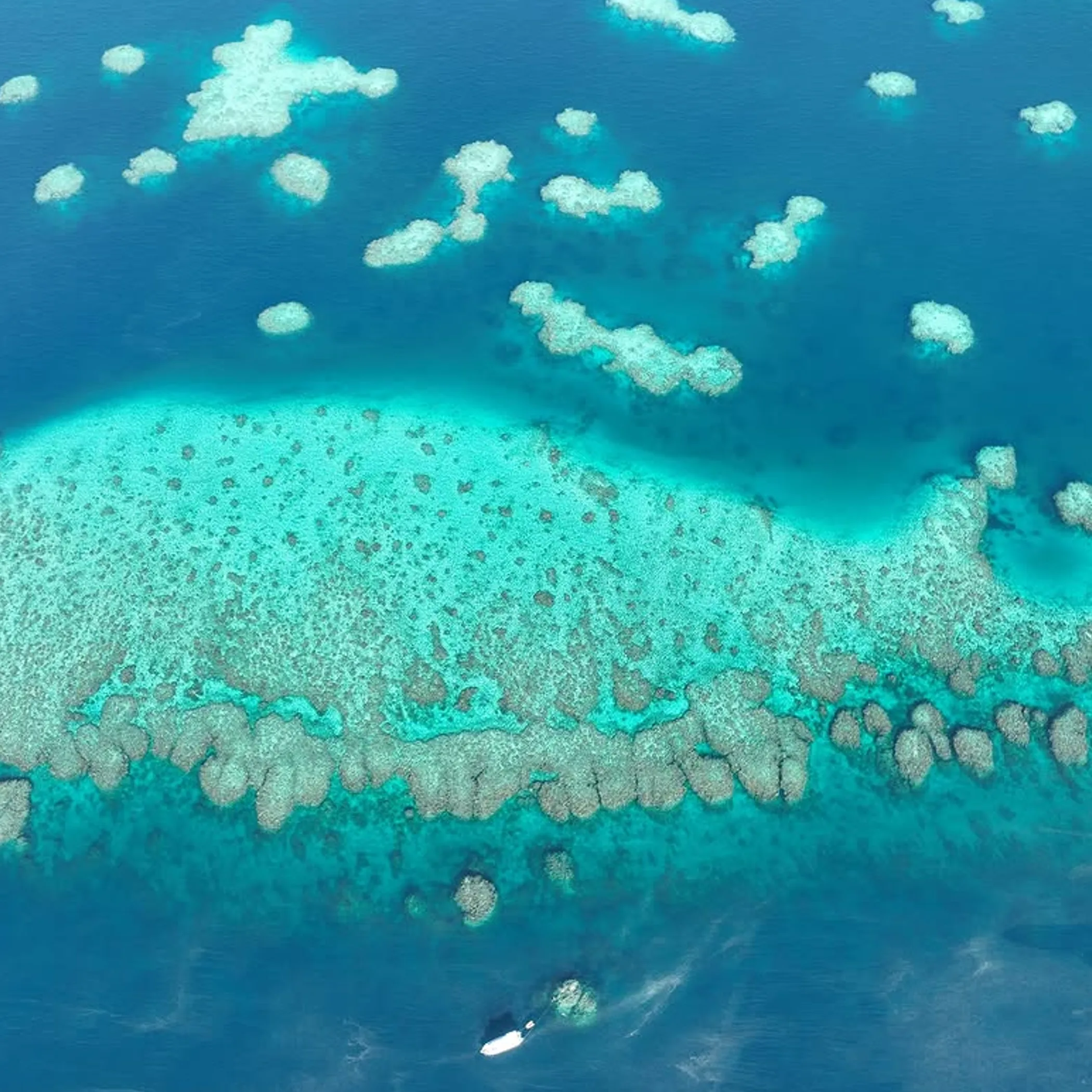
The reef is pictured as postcard weather and turquoise, so people show up in the wrong shirt and end up frying from the shoulders down for the rest of the afternoon. It is not vanity to be comfortable on the water, it is necessary to get any enjoyment out of it. You will need as much sun protection and hydration as a snorkel; the sun off the water will find you.
Apparel That Is Of Use
Cotton tops that remain wet for hours are no use. Go for something of a quick-dry nature with adequate coverage. A rash guard and broad-brim hat for the deck, swimwear and dry clothes for the return are sensible. Reef shoes are of service on hot pontoons and for getting ashore, although some operators will have you in bare feet or fins in certain spots. In stinger season a suit is advisable for the extra protection it affords.
Eye Protection and Sunscreen
Reef-safe options are to be had, zinc based ones that do not put ingredients in the sea many a traveller would rather not. Do not think a lathering of sunscreen lets you stand in the sun all day; reapply often and use shade and clothing. Polarized sunglasses will cut the glare on deck and you will see the chop and marine life better. Get a retainer strap for them, or you may be giving them to the fish.
Some Seasickness Advice
Do not drink to excess the night prior, eat light, hydrate and have your medication before you set off if you know you will require it. To take a tablet when you are already feeling crook is akin to thinking of the umbrella after the storm is upon you. Once on board, put the phone away and fix your eyes on the horizon. The midship of a large vessel is more steady than the bow. And if you are prone to it on a tour, let the operator know at check-in for a recommendation on where to sit.
Snorkel and Dive Gear
You should not be having to negotiate with the reef because of a leaky snorkel or a mask that fogs up. A decent setup will be unobtrusive when you are in the water.
A snorkel checklist has its uses here, particularly for those with some of their own gear but who intend to put in an order for the rest. It is not unusual to have a mix of your own and what you have hired, provided it is all of a piece.
What To Bring
On a reef excursion a snorkeller will want to have his or her own mask if the fit is right, along with anti-fog, any prescription inserts, swimwear, a towel, rash guard, reef shoes and medications of a personal nature. A diver might add a computer, logbook or exposure gear to the list contingent on the sort of trip he is on.
The mistake most make is to think a rental mask will do. One that does not seal properly is enough to put a damper on the day. Should your face not be suited to what is available to hire, then by all means take your own mask and rent the fins and snorkel.
What The Operator Will Put Out
You will find the fare for a number of reef day tours covers the cost of renting snorkel gear; dive equipment is either part of the deal or an additional charge. Make sure you are clear on whether stinger suits, wetsuits, flotation aids or prescription masks are included or must be hired on top.
Prices for a full day on a commercial reef run can be anywhere from AUD 180 to over 400 an adult as a rule of thumb, the distance to the reef and inclusions being the determining factors, as is whether you are a certified or introductory diver. Do not be under the impression the base fare is all encompassing because the hire extras will vary; check at the time of booking.
| Trip Type | Best For | Typical Inclusions | What To Verify |
| Large Outer Reef Tour | for the beginner, family or nervous swimmer | briefing, crew and lunch with your gear | verify transfer times, the stinger suit policy and any risk of seasickness |
| Small Boat Snorkel Trip | more suited to confident travellers in a small group with a guide and lighter logistics | guide, snorkel stops, lighter logistics | look into swell exposure, toilet access and how much shade there is |
| Private Boat Day | the experienced skipper or one who likes to plan has free rein of the itinerary | full control of itinerary | check fuel, launch access, weather limits and safety gear |
| Glass Bottom Boat Add-On | non-swimmers and mixed company can view the coral in the dry | dry coral viewing | see what the sea state is like and the value of a combined ticket |
Eat And Drink
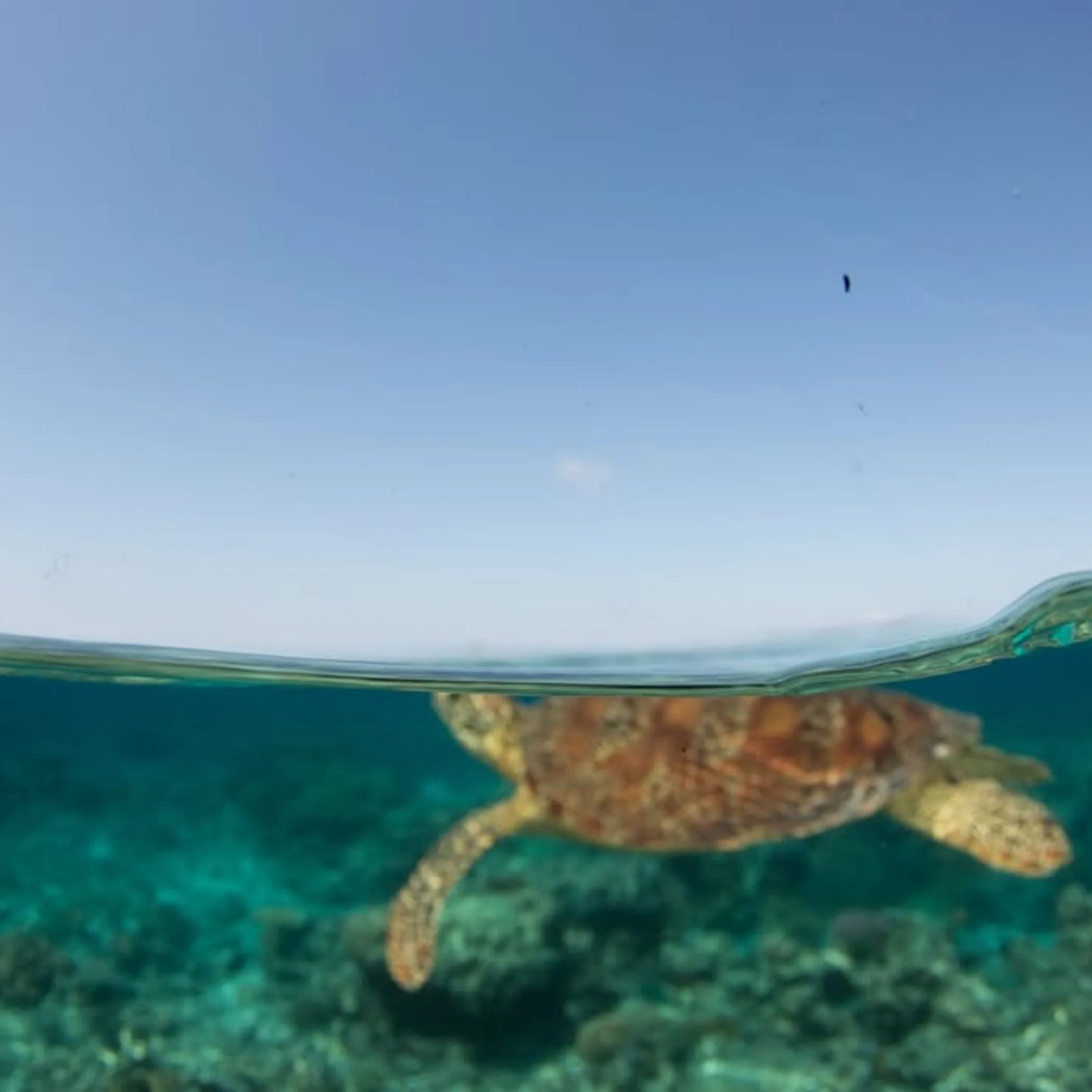
It seems straightforward until you are out in the salt and glare offshore and realise a flimsy muesli bar and warm water were not the best of decisions. Keep to light, practical food and hydrate well. A day on the reef can be more of an exertion than is anticipated with all the swimming and ladders and sitting in the wind.
Hydration And Sun
Put down more water than you would normally consider necessary. Two or three litres per adult is a sensible minimum for a private trip in the warmth, more so if the heat and length of the outing demands it. While a commercial tour will have water on hand, I make a point of having my own bottle; between the queues and people’s forgetfulness it is better to be prepared. Dehydration will see to your comfort and performance, and the elements offshore hasten the process. Hydration and protection from the sun go hand in hand.
Boat Food
Fruit, wraps, crackers, a simple sandwich or something salty if you are a sweater. Nothing that is a lot of mess or will melt. Leave at home anything that needs six containers balanced while the boat is rocking about. And if nausea is an issue, a plain breakfast is preferable to something greasy before you leave, with small snacks later rather than a big meal.
Do Your Boat Check
When you are in command of your own boat the pre-trip routine should be methodical. There is no room for half-charged batteries or doing your fuel sums on a hunch once you are offshore. A written pre-departure list is a good thing for even a seasoned skipper to have to hand when the ramp is busy and tempers are fraying.
Priorities Before You Leave
Engine, bilge, battery, anchor, navigation lights where they apply, fuel, comms and the weather. Know your return plan and the latest tides and currents. Tell someone onshore where you are going, who is with you and when you will be back. If you are running late or the weather turns, you will be glad of it.
Reality Offshore
One envisions a straight line to the reef, some calm snorkelling and to be home by mid-afternoon. In practice there are delays loading up, the weather is less obliging, the drift is different and you have a headwind coming back. Someone is bound to wonder why the dunny makes the noise it does. There is a difference between a route that seems deceptively swift on paper and the reality of it once you have to contend with swell, no-wash areas, bait schools or a reef that demands a cautious approach. Put some margin in your time, fuel and energy; the sea has a way of turning a well-ordered schedule into something of a joke.
Know The Local Differences
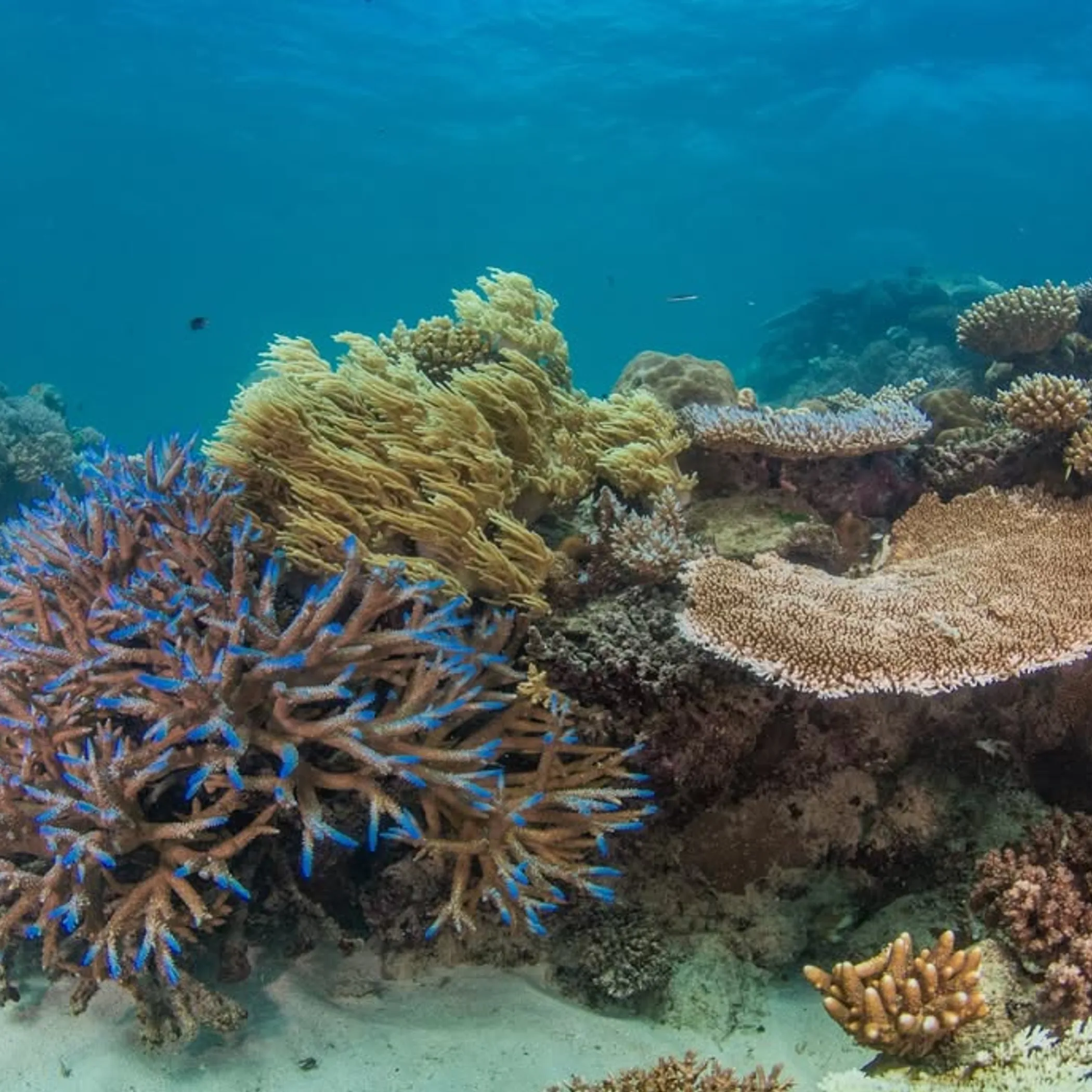
Even if the brochure would have you think so, one reef trip is not like another. Preparing for the Great Barrier Reef is not the same as heeding Ningaloo reef trip tips: the day will be dictated by port logistics, what season it is, the marine life and how far offshore you are.
Isabella Marlowe is wont to advise that you should plan the trip to suit your confidence, not some fantasy notion of yourself. The part of you that “loves adventure” might yet be happier on a catamaran that is a bit more steady and has shade and lunch to boot.
Great Barrier Reef Planning
Cairns, Port Douglas and the Whitsundays have put down a good deal of tourism infrastructure on the Great Barrier Reef. You will find plenty of operators to choose from, be it a beginner’s snorkel tour off a pontoon or a charter for the serious diver, but you have to do some comparing of inclusions and travel times.
As for stinger suits, in season many an operator will supply them or insist on it, and they are only sensible on certain routes at certain times of year. Conditions and risk are not uniform across the area so take your cue from the local operator on the day.
Ningaloo Trip Considerations
You may get a sense of remoteness and weather sensitivity on a Ningaloo Reef outing from Exmouth or Coral Bay, notwithstanding water that is as flat as a pancake inshore. Wind timing and the seasonality of the wildlife are key to any Ningaloo reef trip tips; some of the finer experiences require the conditions to fall in line.
For those making their own way in WA, allow for the heat, the lack of backup services and the distances. Put in your fuel and stock up on water before you leave. Do not count on there being a shop just around the corner; out in regional Australia “nearby” is a relative term.
Seasonality And What Changes
The summer heat, cyclone alerts and wet season in the north of Australia can have an impact on your comfort and the likelihood of a cancellation. The dry is more dependable, though peak times will see you on a full boat with parking at a premium and the need to book in advance.
Then again, a strong wind can scupper a perfectly good offshore plan or bushfire smoke can complicate access on land. Whatever optimism you had when you made the booking should give way to the current conditions, so check the forecast or ask the operator.
Use This Final Checklist
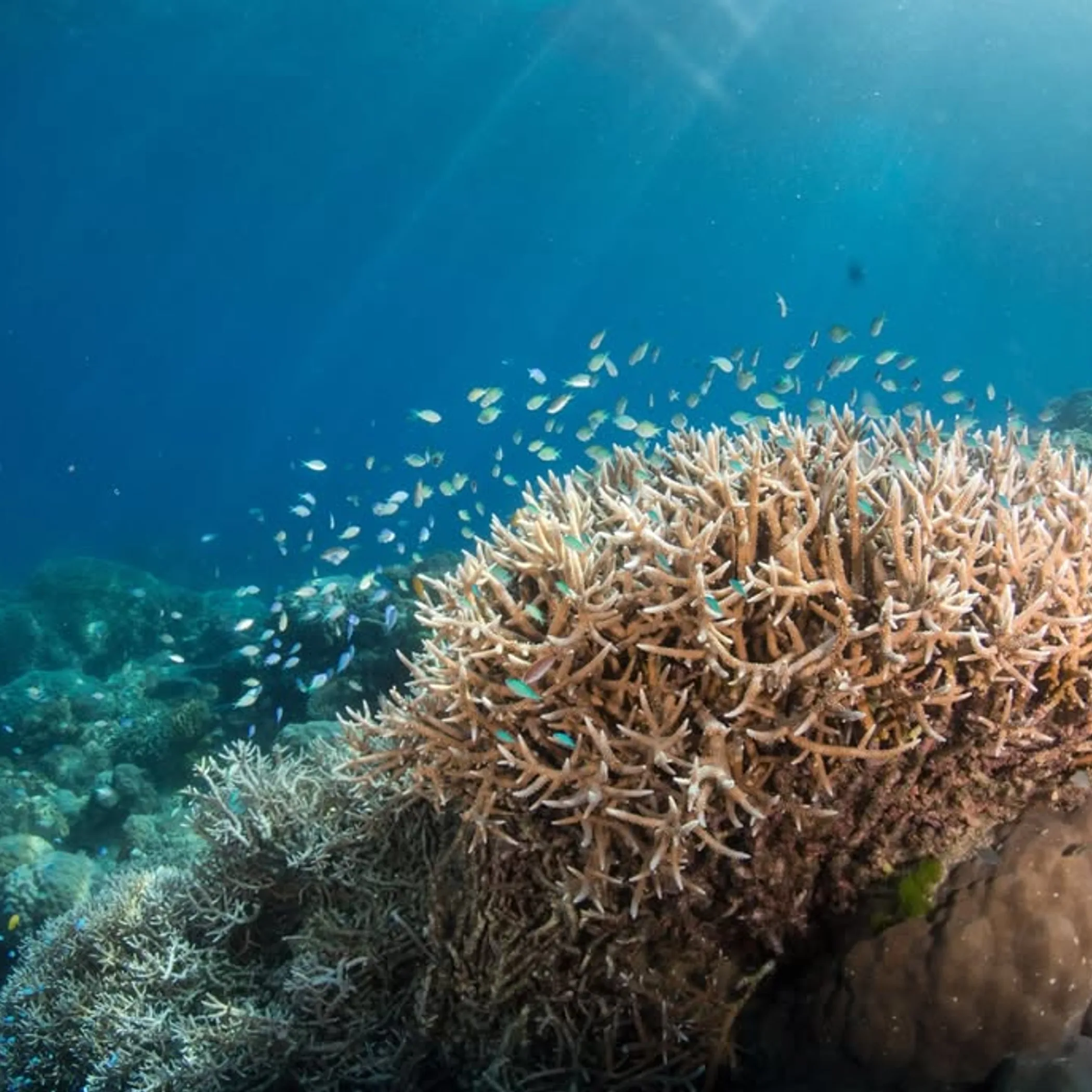
Make this the one section you commit to memory. An unadorned routine is better than a plan that is all style and no substance.
See what the tides, swell and marine weather have to say.
Get the lowdown on mooring and permit rules, parking, access and when the operator wants you to check in.
If you are in a private boat, have your EPIRB, VHF radio, first aid kit and emergency contacts to hand as well as a life jacket.
Your bag should contain polarized sunglasses, a hat, towel and dry clothes, rash guard and reef shoes, plus reef-safe sunscreen.
Have a light breakfast and any seasickness meds in advance.
Rental gear for the snorkelling or your own mask and checklist items should be in order.
Water, some simple fare and a spare phone battery are a must.
A float plan and a pre-departure run through of the boat are required for the privately boated.
Finish With The Right Mindset
Do not expect the best reef trips to be the ones that are flawless on paper. They are the ones where you have been properly prepared and flexible enough to put aside any misgivings when the conditions change.
To prepare for an offshore reef boat trip is to be realistic and organised, to pack for the sea as it is and not the one in your imagination. Then you will be looking at the coral and turtles and not regretting the absence of a decent hat or a litre of water.
Frequently Asked Questions
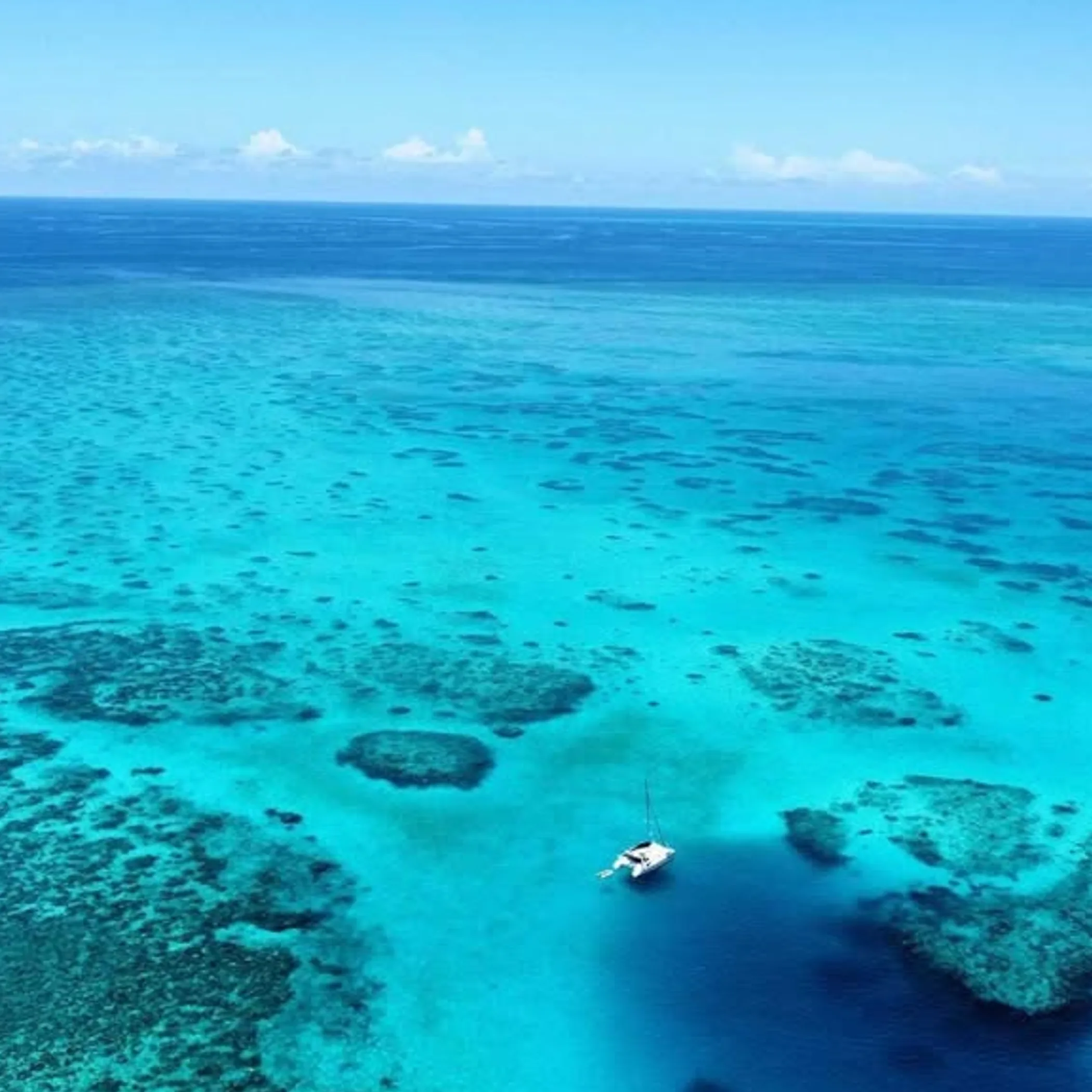
One is justified in asking these before going offshore. A reef day is no trouble from the vantage of the shore but the details are what count.
Do You Need Stinger Suits On The Great Barrier Reef?
In some cases. During periods of higher risk for stings a number of tours on the Great Barrier Reef will provide or put in for a stinger suit. It is a matter of policy and the season so verify ahead of time and listen to the crew on the day.
What Is The Biggest Killer Of The Great Barrier Reef?
Climate change is the pre-eminent long-term danger, in particular the marine heat stress that brings about coral bleaching. While there are other pressures to contend with, be it physical damage, crown-of-thorns starfish or substandard water quality, reef science organisations like Coral CoE and their research peers will tell you the principal risk is the warming of a climate nature.
What Is The Best Month To Visit The Great Barrier Reef?
One cannot point to an ideal month for all. A dry season affords some travellers the comfort of more even weather, yet one has to factor in the budget, stinger issues, how crowded it is and what is on offer. In the end it comes down to your own priorities: do you want to see certain wildlife, avoid the crowds, find a better price or have conditions that are as tranquil as possible?
What To Take Before Going On A Boat?
Should you require seasickness pills, make use of them early on. Have a light meal and put on some reef-safe sunscreen before you are out in the sun; drink your water prior to boarding. And pack accordingly: a hat, towel, sunglasses, any medications and a good supply of water.
Is Snorkelling Offshore For Beginners?
For the most part, provided you pick your trip. You will be better off with a large operator that is well run, has flotation aids and crew on hand and can get you to a site with less chop than a small private boat would in those conditions. Not a confident swimmer? Make that known at check-in and when you book so the crew can put you in the safest position.