Flush Hot Water Systems AU
There is a certain practicality to flushing sediment from your hot water system in Australia; it will put an end to rumbling noises, ensure better flow of hot water and spare the storage tank from damage that is entirely preventable. In brief, you isolate the energy, let the water cool, put a garden hose on the drain valve to empty and flush the tank with fresh cold water, then top it up and get it running again.
I am Isabella Marlowe and one learns in home maintenance that things seldom go as planned. What was a secure hose can turn into something of a fire hose in an instant, or water with a cloudy tinge may be laced with rust and minerals from years of use. Here I set out how to do the job safely in Australia, what to watch for and why putting in some hot water prep for Melbourne winters before the first truly cold morning is time well spent.
Sediment in Australia
Given enough time, sediment will make its way to the bottom of the storage water heater tank. It is the byproduct of mains water minerals, pipework corrosion, rust on old parts or what is shed as the anode rod wears. Then there is the matter of water quality which is not the same in every city or regional part of Australia. Harder water is apt to leave more of a mineral deposit and an older system will see more of the corrosion kind. For all that, the effects are not at first apparent. The household carries on none the wiser while the tank surreptitiously gives up some of its capacity.
Minerals, Rust And Anode Wear
Heat has a way of making dissolved minerals separate and lay down on the tank floor. You can end up with a hard coating of calcium and the like around the element of an electric heater or at the base of a gas one.
And there is the anode rod. Being a sacrificial piece, it is meant to corrode in preference to the steel of the tank, so do not read too much into it. But if you let it run down and do nothing about it, you are inviting corrosion of the tank.
Storage Tanks and Continuous Flow
We are concerned here with storage type hot water systems where the heated water is kept in a tank. A continuous-flow unit does not hold the volume to warrant such a flush.
Be aware that not every unit has a drain valve you can easily get at. Some have odd fittings or valves that have seized over the years. Should the valve not yield to a gentle touch, best to let it be. There is no point in making an urgent call to a plumber because you have broken a drain valve on what should have been a routine task.
When to Flush
You will know from the colour of the water, how long it takes to heat up, the amount of hot water on tap and any change in sound. These are no surefire proof of sediment alone but they are telling. A system does not usually just quit on you without warning; it will underperform and squander energy for months, grumbling along. Think of it as the tank asking for your attention.
Some of the more common indications
- Rumbling or crackling from the tank as it heats.
- Not as much hot water as you would expect from normal use.
- A slow recovery after a bath or shower.
- Debris in the outlets or valves leading to poor pressure.
- Discolouration in the water, particularly if the system has been idle.
- Any water at the foot of the tank (a leak is more likely than sediment).
The rumbling is often the work of sediment holding water close to a heating surface where it can boil and push bubbles through the deposit. This puts undue strain on the components and is not efficient.
What to Expect
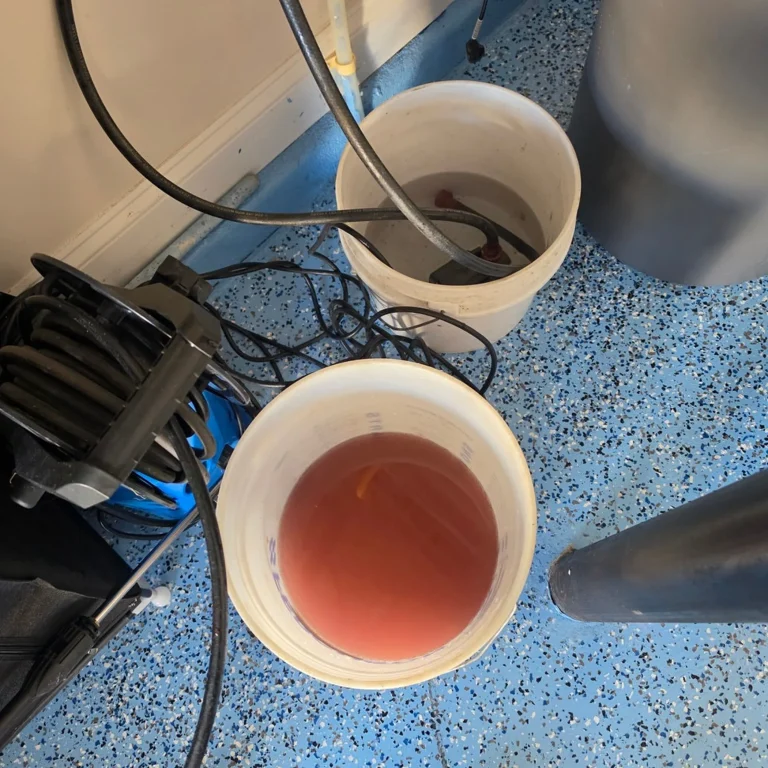
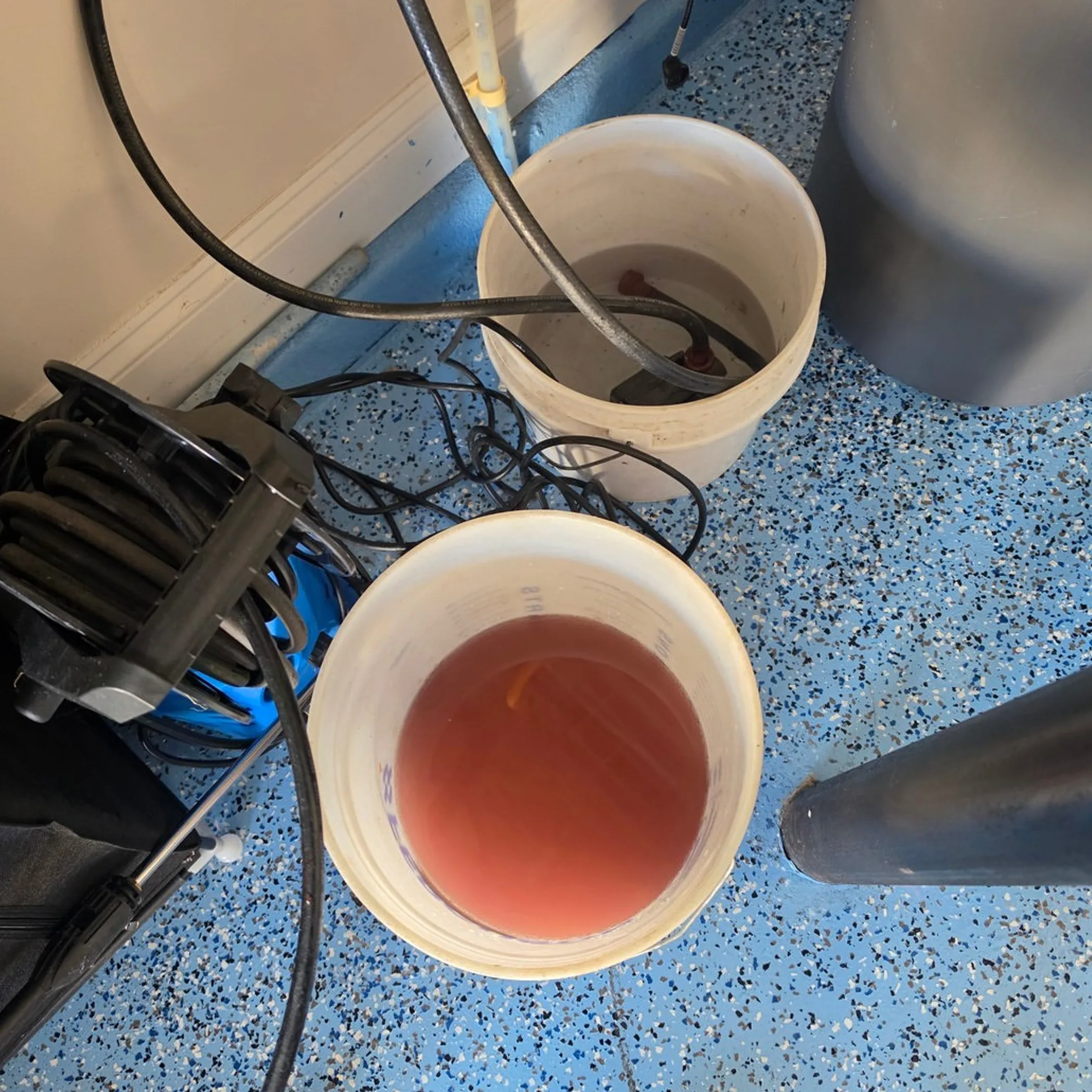
It is easy to think a flush will have an old system behaving like new. The reality is it will only clear the loose sediment; a split tank or a bad thermostat are not going to be fixed. Nor will the water you drain be merely a little dirty. It can be brown, grey and gritty, and unpleasantly hot. Make sure you have somewhere to put it and check local rules before you put the hose on a neighbour’s path or in a stormwater drain.
Draining: Safety First
There are real hazards to be had from scalding water, the gas or electrical supply and water pressure, not least when a valve has been left alone for years.
Make sure to do your work in the daylight and put word to the rest of the house that there will be no hot water. Children and pets are to be kept at a distance; my rescue kelpie Olive would make an issue of any warm puddle she came across as though it were some novel water feature, which is why one does not let pets partake in this sort of thing.
Preparation Of The Work Area
Do not open the drain valve until the water has had time to cool down. Even with the heating source off, what is in a storage tank can be enough to inflict a serious burn. Put on gloves and enclosed shoes and hold your hands and face clear of whatever comes out first.
See to it the garden hose is serviceable and the fittings are right for the drain valve. You can run it downhill to a proper discharge point or have the end in a large container to see how it is flowing; a hose with too much of an incline will trap air and impede matters.
Safety Checklist
- For the particulars of your hot water system, consult the manufacturer.
- In the case of an electric heater, cut the power at the switchboard.
- A gas unit requires you to shut off the supply or the isolation control per the instructions.
- Shut off the cold water to the tank.
- Then cautiously open a hot water tap to see if the water is cool and to take the pressure off.
- Leave the switchboards, plugs and electrical controls dry.
- Should you come across a major leak or damaged wiring, or if the controls elude you, or you put your nose to gas, desist at once.
Victorians may wish to refer to Energy Safe Victoria for official guidance on gas and electrical safety. Elsewhere in Australia local rules and what the manufacturer says will be more pertinent given the variation in equipment.
Flushing The Storage Tank
What follows is how to go about draining and flushing a conventional storage tank hot water heater. Provided the valves are in order it is a simple matter, but it is not the occasion to try and force something or put your hand to dismantling gas equipment.
A 250-litre tank will have 250 kilograms of water in it, a 50-litre one about 50 kilograms. It is a good deal of weight and heat so have your discharge point decided before you start.
Drain And Flush
- Follow the maker’s instructions to turn off the gas or power.
- The cold water supply to the tank should be turned off.
- To ease the pressure, open a hot water tap within the home and leave it for the first part of the draining.
- Attach the garden hose to the drain valve and put the other end where it is safe to do so.
- Proceed slowly with the drain valve and stand well back from the outlet in case the initial water is still hot.
- Let the tank run dry; expect the flow to abate as air makes its way in through the open tap.
- Once empty, a brief opening of the cold water will agitate and move loose sediment to the drain.
- Then close it and let it drain.
- Go through the fill-and-drain routine until you see the water is cleaner.
- When done, close the valve and remove the hose with care, looking for any sign of a drip.
One should not put CLR in a hot water heater. It is a cleaning product, not something for routine tank-flushing, and introducing it to a household or drinking-water system can lead to residue and compatibility issues of all kinds. Flushing with plain water is the safer course.
Where People Err
You will often find people put the heating back on while the tank is yet to be full. An electric element running without being submerged will be ruined in what is known as dry firing, making a maintenance job into one of replacement.
Closing up all the hot water taps prior to draining is another error. The tank needs to be able to breathe, otherwise it will not want to drain. But be in the vicinity when you refill the system as an open tap can let water out in a hurry.
A Safe Refill And Restart
This is not something to be done as an afterthought; it is how you spare the burner, tank and heating element undue stress.
Spend a few minutes in quiet to check the flow, it will be worth it to avoid a less amiable visit from the plumber. Segmented flushing approach is often necessary due to varying water pressure and facility size in Australian hot water systems.
Confirm The Tank Is Full
Start by shutting the drain valve and then put on the cold water supply in a measured way. Leave a hot water tap running to let any air out of the system; you want a steady flow, not one that is coughing and spluttering with bursts of air.
After the tank has filled, make sure there are no leaks at the drain valve, hose or any pipework in plain sight before you close the hot water tap. Under no circumstances should an electric water heater be turned on until you are sure the tank is full.
Restart The Energy Supply
In the case of an electric heater, do not put power back on at the switchboard until the tank is full and adhere to what the maker says about the thermostat and its controls. Should the wiring be damaged, the unit smell hot or it trip the circuit breaker, shut it down and have a licensed hand look at it.
With a gas water heater, the lighting and restart procedure is as per the instructions on the unit. Do not make any alterations to the flue, gas connection or burner. In the event of a gas odour, if it can be done safely, cut off the supply, get out of the area and ring your emergency or licensed service.
Electric And Gas Differences
While both types of system will build up sediment, the risks and the insides are not the same. It is well to know which you are dealing with so as to determine what is safe for you to do and what is better left to a professional. A quick way to tell is to see if there is a gas flue, isolation valve and burner controls; an electric set up will have cabling, a switchboard circuit and heating elements in the tank.
Caring For An Electric Water Heater
Flushing the tank is not the same thing as tending to the heating element when it comes to cleaning out sediment. The latter may require you to open up the appliance and you would be well advised to follow the manufacturer. Make certain you are turning off the circuit at the switchboard and not some wall switch indoors. In an old house the labelling on a circuit can be misleading, so do not take a light going out as proof the unit is safe to touch.
Gas Water Heater Care
Be attentive with the ventilation, flue and burner of a gas heater. You are not to adjust the combustion or gas pressure under the guise of flushing the tank. Gas work is a regulated matter in Australia and requires a licence. Any soot, odd smells, a bad flame or flue damage means the unit is to be put out of use and a professional called in.
On Flushing The Tank
The frequency with which a hot water system is flushed is dictated by the age of the system, the demand placed on it by the household, the quality of the water and the maintenance guidelines from the maker; there is no one size fits all for an Australian home. One might adopt the practice of an annual inspection and put it to a licensed plumber as to whether a flush is in order. Where there is hard water or an older tank prone to rumbling, more attention is warranted. Be prepared for a good deal of material to come out of a system that has never been flushed, making the first job of some care.
Melbourne’s Seasonal Considerations
One could time it for spring or early autumn when the need for maximum hot water is less of a factor. Then again, getting the hot water ready for a Melbourne winter before the cold sets in gives you an opportunity to spot a slow leak or a tired anode rod and put in for repairs. The weather will not affect the sediment in the tank but it does change the impact of a failure. An outage on a freezing morning is far more of an inconvenience than in mild conditions, especially with young children or those working from home in the house.
A Simple Guide To Timing
| System Situation | Practical Response | Why |
|---|---|---|
| Newer system, quiet and clear water | Stick to the maker’s schedule | Catches a leak before it is an emergency |
| Older system making noise | Have it inspected, talk of a flush | Rumbling can mean deposits on the heating surfaces |
| Hard water or mineral showing | More frequent inspections than the minimum | Build up is quicker |
| Rusty or discoloured discharge | If a flush does not put it right, get advice | Could be corrosion in the pipework, anode or tank |
| Tank body is leaking | Put in for an urgent assessment | A flush will not fix a broken shell |
Licensed Plumber
It is prudent to call in a professional for anything involving gas or electrical faults, a seized valve, a leaking tank or serious corrosion. There is no medal to be won for undertaking all the household chores on one’s own. What matters is having a hot water system that is in good working order and safe.
Should you find the water still leaking once the drain valve is shut, or the tank refuses to refill, then put in a call to a licensed plumber. The same goes if the pressure relief components are discharging time and again, the water is of a heavy colour or the system will not heat as it should after a restart.
Who is not a candidate for DIY flushing?
Anyone who is not at ease in identifying the cold water supply, energy isolation and the drain valve would be better off not attempting it. Equally, do not make a DIY job of it where access is restricted, the discharge route is anything but safe, the tank is over living quarters or there is evidence of the system being badly corroded.
If the system is readily accessible and you have a hose to hand, the outlay for doing it yourself is minimal beyond some consumables. For a licensed service call the price can be a matter of state, how far the plumber has to travel and what he finds; so get an itemised quote for any repairs, inspection, anode rod assessment, flushing and new washers before giving the go ahead.
Hot Water Maintenance
To flush the sediment from a hot water tank is to clear away loose deposits and put an end to early problems while getting better heating performance. Do it by way of a safe sequence: isolate the gas or power, let the tank cool, drain and then flush with clean water, fill it up and only at that point restart.
One should only tackle a storage system that can be accessed and identified without risk. No CLR, no forcing a seized valve, nothing to do with the gas parts. A licensed plumber is the answer when you are in any doubt; scalding water, electricity and pressure are a rough combination and it is less expensive to call in an expert than to find out otherwise.
Hot Water Flushing FAQs
Sediment and noise and a drop in performance are what people tend to look into first, and these are the questions I am asked in connection with them.
How to get the sediment out of an electric water heater
Shut down the electric circuit and let the water get cool. Close the cold water supply, put a garden hose on the drain valve and empty the tank. You can open the cold water for a moment to work the loose sediment free, then do it again until the water running out is better. Make sure the tank is full before you put the power back on. The heating element is not to be removed unless you are qualified to do so and have the manufacturer’s instructions to hand.
Is CLR something you can put in a hot water heater?
You should not. It is not a treatment to be used routinely on a household storage tank and can give rise to issues with chemical residue and material compatibility as well as water safety. Stick to a clean-water flush. If there is a lot of mineral buildup, have a licensed plumber advise on descaling the system in a manner the manufacturer would approve.
What is the time required for a 40-gallon flush?
In US gallons a 40-gallon tank comes to about 151 litres. But the time it takes is dictated by the height of the tank, the condition of the drain valve, the length of the hose, the water pressure and how much sediment is present. Figure on an hour or two for a thorough DIY effort that involves cooling, draining and checking for leaks. A valve that is partly obstructed or an abundance of sediment will add to that.
Is it necessary to flush the hot water heater?
Not all systems call for it, yet sediment will diminish capacity, be the source of rumbling and have an impact on efficiency. An inspection is in order if the manufacturer puts in a recommendation or you see signs of it. Of course, a flush is not going to remedy a tank that is damaged or leaking.
Will flushing take care of discoloured hot water?
Water made cloudy or dirty by some loose sediment may be put right, but if it is brown or red or has a metallic tint you want a professional to have a look at it. There could be a failing tank, rust, bad pipework or an anode rod on its last legs. And should the cold water be discoloured too, the problem might not lie in the hot water system.