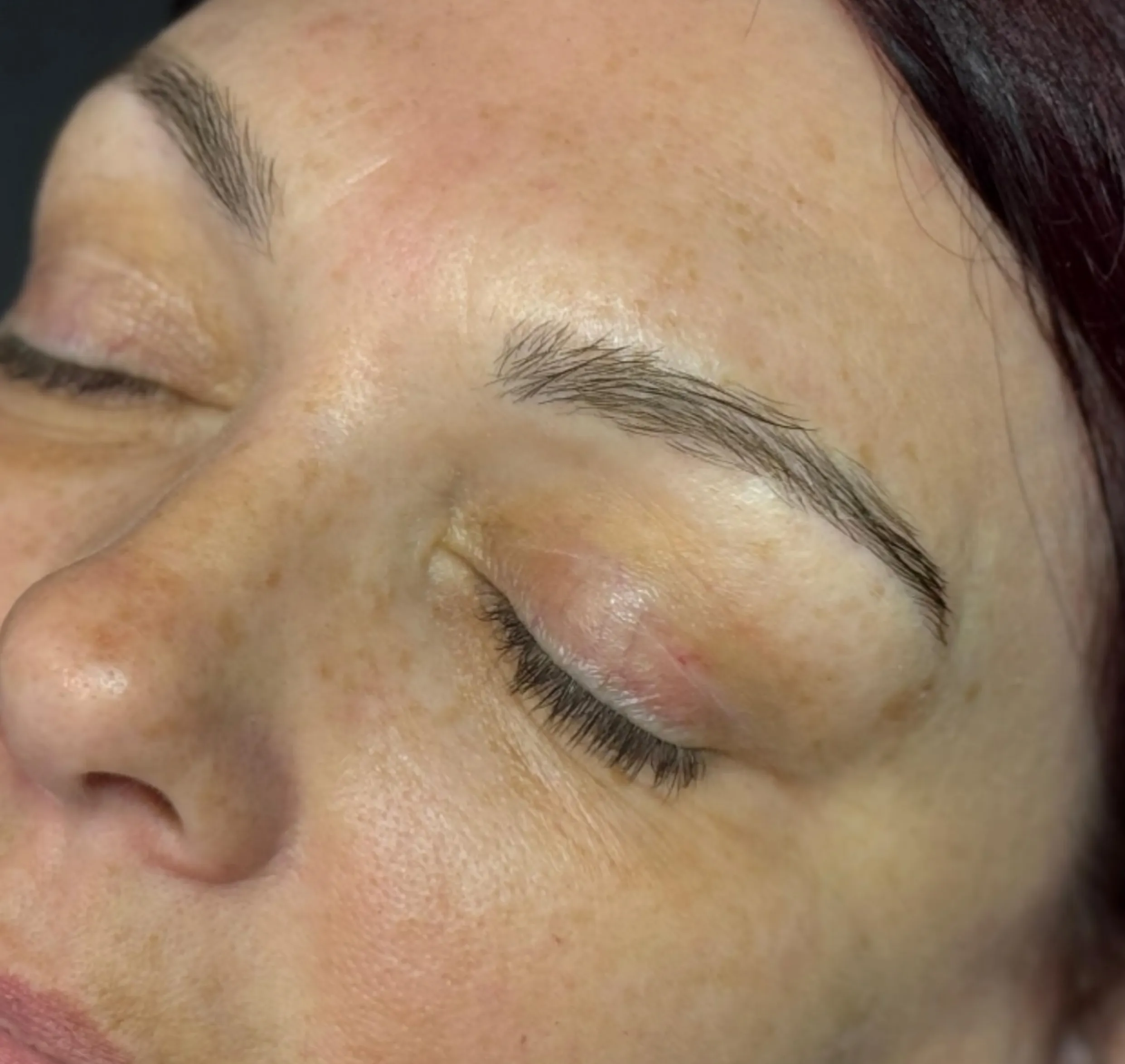
I’m Olha Po, and that question “What is the difference between cosmetic ink and tattoo ink” seems to crop up in my Melbourne studio about once a week. Clients will ask me exactly how cosmetic tattoo pigments differ from traditional tattoo inks, especially before committing to a procedure like eyebrow tattooing, lip tattooing or a permanent eyeliner. And to be honest, they’ve got every right to be asking – choosing the wrong pigment can end up having an impact on colour stability, longevity and skin safety.
Now, cosmetic tattoos are in a whole different category from regular tattoo ink – and the way that pigment formulations behave once they’ve healed is really different. So today, I want to break down these differences in a clear and honest way – just as I’d explain it to a client during a consult.
Why PMU Pigments Sit Softer in Skin
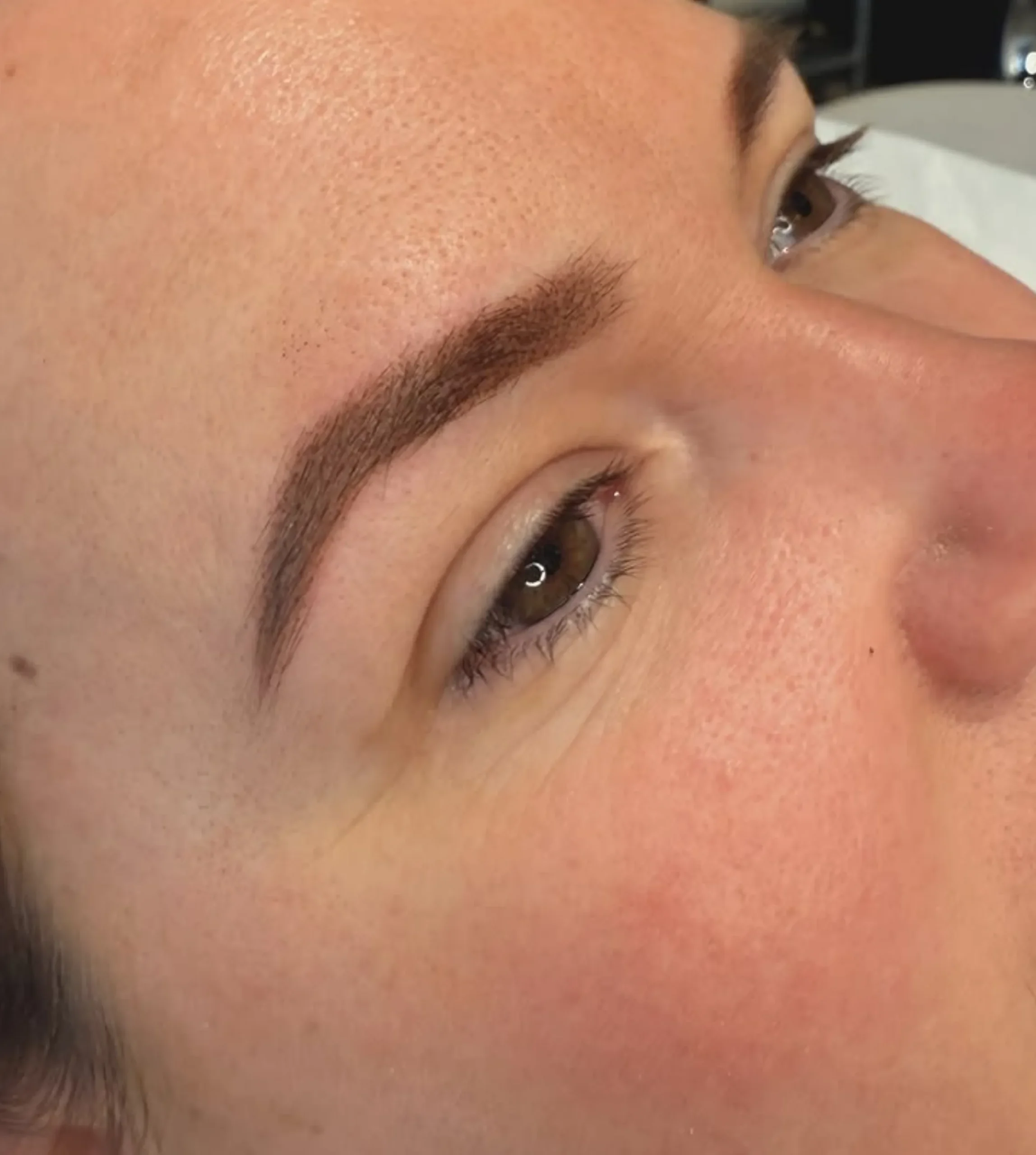
When it comes to semi-permanent makeup, the pigments I use are what’s known as PMU pigments. The pigments themselves often use iron oxide, organic colours or a blend of the two – known as hybrid pigments. These are all designed to work with the individual’s skin undertones, melanin levels, and the look we’re going for with eyebrow, lip, or eyeliner tattooing.
That’s why you’ll never see me using those big, bold, black pigments that are meant for body art on someone’s brows – it would just end up looking far too dark once it’s healed, and who knows how it’ll behave.
Because Melbourne’s weather is all over the shop – sweltering summers and dry winters – I always have to think on my feet and adjust my application techniques to work with different skin types and get the best possible retention. And that’s exactly what these finer pigment particles are for – helping the cosmetic/permanent makeup tattoo pigment fade away nicely, especially in delicate areas like the face.
Cosmetic Pigments vs Tattoo Ink: At A Glance
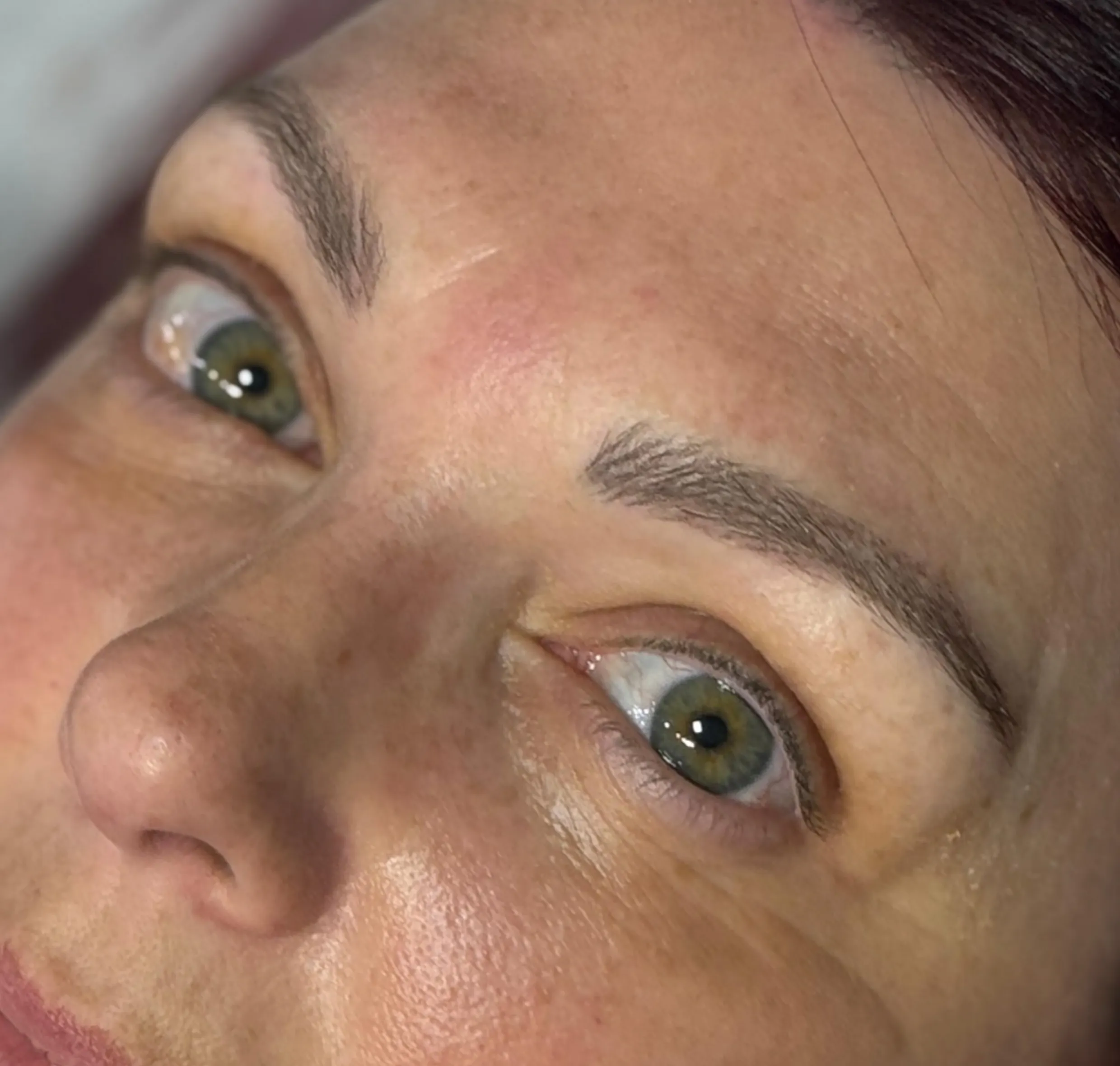
| Feature | Cosmetic Pigments (PMU Ink) | Traditional Tattoo Inks |
|---|---|---|
| Pigment Type | Iron oxides, organic pigments, hybrid pigments | Carbon-based, azo pigments, polycyclic pigments |
| Fade Behaviour | Gradual; engineered for semi-permanent makeup | Long-lasting, built for permanence |
| Particle Size | Smaller for subtle definition | Larger for bold colour saturation |
| Skin Depth | Superficial layer | Deep dermal layer |
| Use Case | Facial tattooing (brows, lips, eyeliner) | Body art and traditional tattoo methods |
| Risk of Colour Shift | Lower when matched to skin undertones | Higher if used on the face |
| Regulatory Requirements | Often stricter for facial tattooing | Varies widely between brands |
How Depth Changes Fade and Colour
When I’m working with my tattoo machine (usually a digital microblading device, rotary machine or a small PMU machine here in Melbourne), I try to get the pigment in as close to the surface as possible – that’s the idea, after all. When the pigment is placed closer to the surface, as the skin regenerates and heals, it gradually pushes that pigment up and out of the skin.
My friends who specialise in body art with a coil tattoo machine or a heavy-duty machine, and who tend to use larger tattoo needles, can work deeper into the skin. And that can result in:
- A bolder, more vibrant colour
- A more lasting, long-term effect
- Much less fading over time
That’s all great for someone who wants to cover their entire arm in ink, but not so great if you’re looking to get your eyebrows tattooed in a more delicate, micro-pigmentation style.
When I’m treating clients in Melbourne during winter, I have to be a bit more careful about the depth at which I’m working. Dry skin doesn’t hold onto moisture as well as it does in the summer months, so being a bit more gentle – usually with a softer touch – really helps to improve retention and reduce irritation.
Why Colour Theory Differs in PMU vs Tattoo Ink
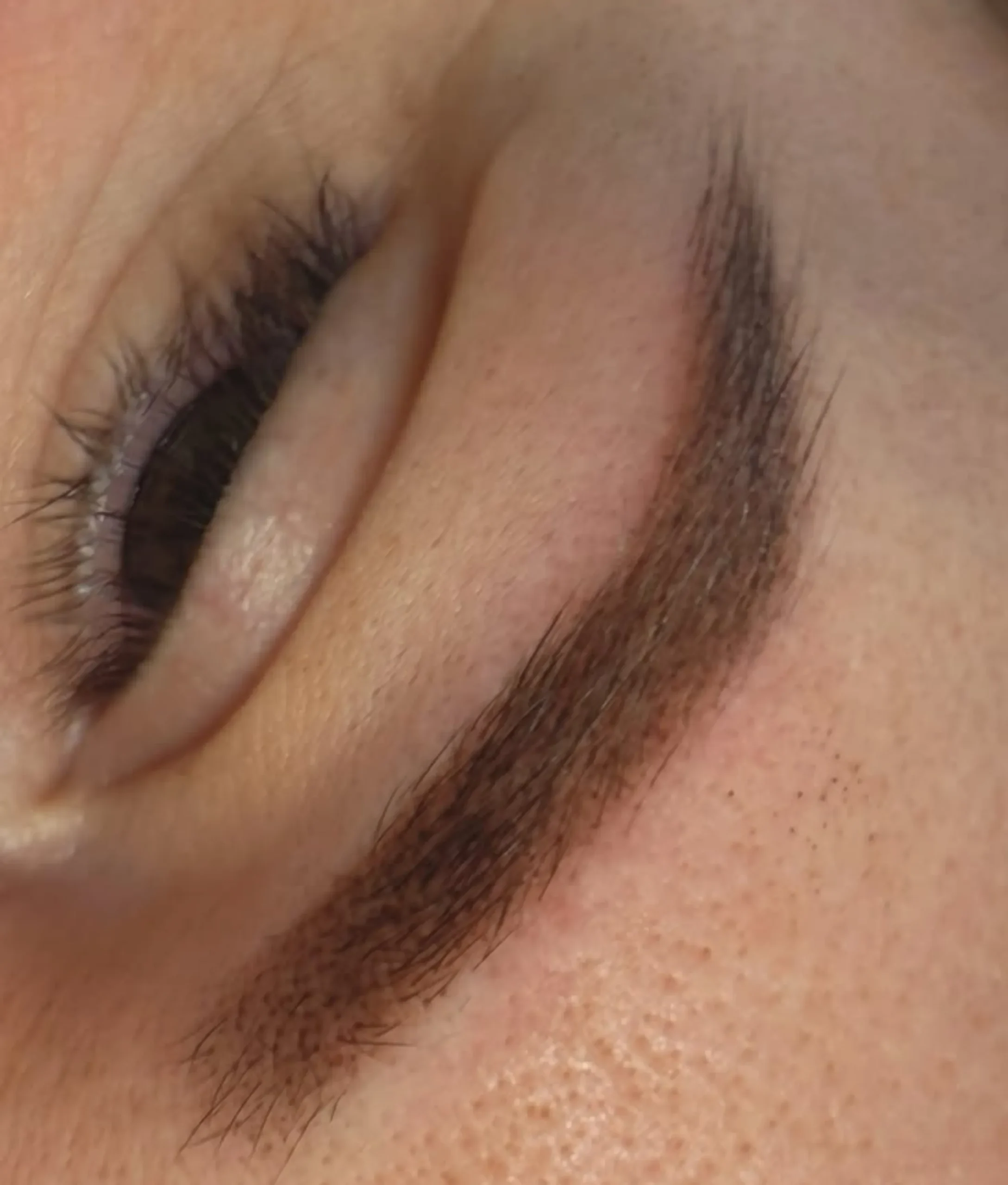
In cosmetic tattoo pigments, we don’t want to overpower the skin – we want to blend with it, quietly. And because of this, we tend to use a lot of titanium dioxide, iron oxide and inorganic pigments specifically designed for eyebrow tattooing, lip colour, or eyeliner in Melbourne.
Body art inks, on the other hand, are made up of:
- Azo pigments
- Phthalocyanine pigments
- Polycyclic pigments
- Industrial chemicals
And those just aren’t suitable for the delicate skin of the face.
If you were to use the wrong type of ink – one of those made for body art – you might end up with a result that looks more like a grey, blue or green brow rather than the soft, natural look we strive for. Or, you might get harsh borders, blocky fill, or find that the pigment is just not suitable for the delicate skin of the face at all.
I’ve seen it happen to a lot of clients over the years – they come to me looking for correction because their original tattoos were done with the wrong type of ink, and they’re now having all sorts of problems with their brows. Often, it’s because they were originally created with black pigments that oxidise differently in different skin types.
Safety Standards
When we’re working this close to the eyes, safety becomes a top priority. That means we have to be super careful about the pigments we use. We need to be able to see what’s in them – clear as day – and know that they’ve been properly tested and that we’re using the right stuff for the job.
We have to check things like zinc oxides and lake pigments, the shelf life of all our inks, how they’ll behave on different skin types, and more.
Traditional tattoo inks are just not made for the delicate skin of the face. They’re much stronger than we need for semi-permanent makeup, and if you use them, you might end up with problems like harsh borders, blocky fill, or even a result that’s just a bit too dark.
At Face Figurati, every pigment bottle used for a cosmetic tattoo in Cosmetic Tattoo Melbourne Studio meets strict hygiene requirements, contains transparent ingredient lists, and complies with Australian expectations around pigment safety.
How Long Each Type Of Ink Lasts
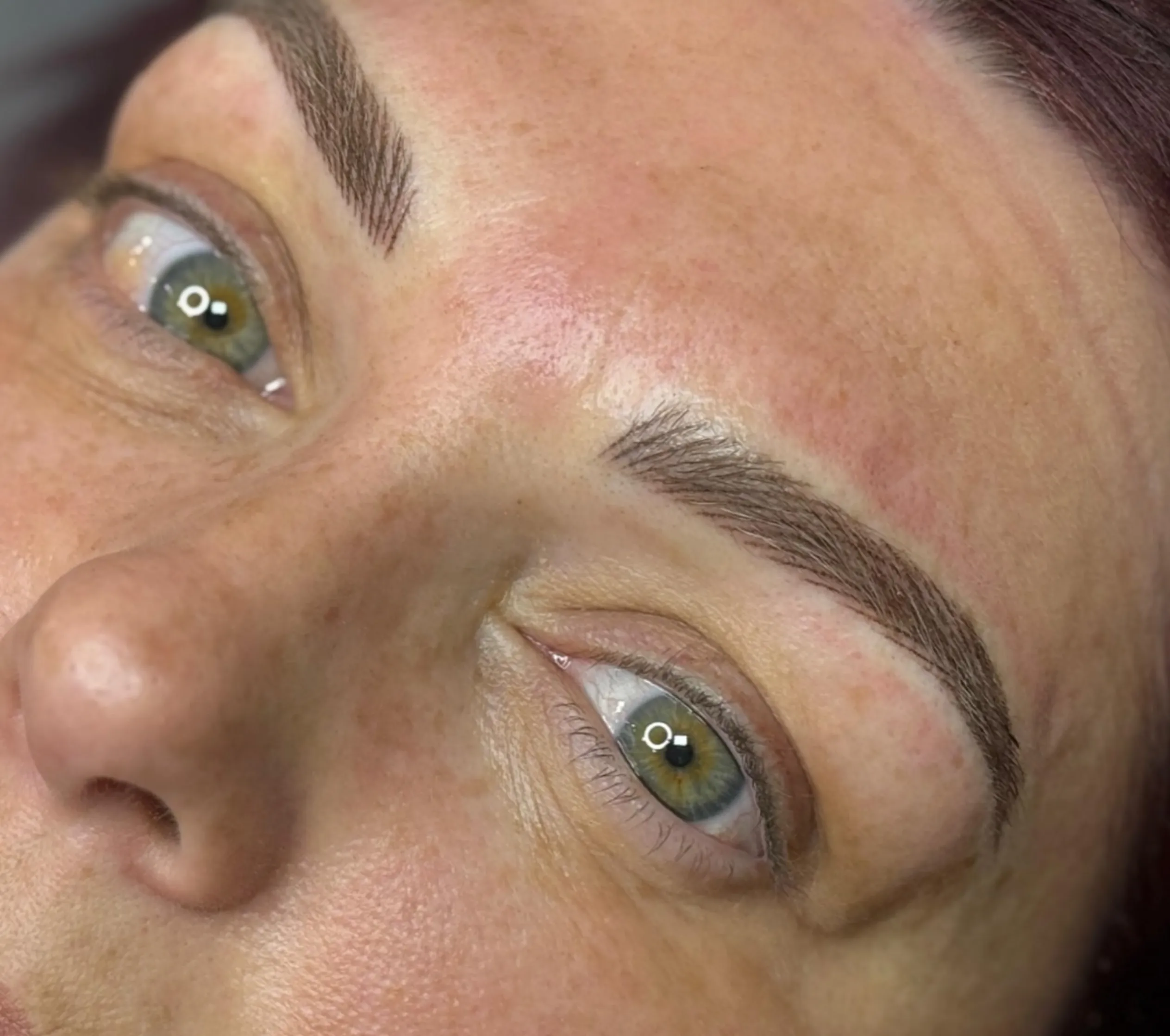
Cosmetic tattoos are a form of semi-permanent makeup, and by design, they’re meant to fade.
Why do we want them to fade, you ask? Well, your face is constantly changing:
- Your skin elasticity changes over time; it stretches and loses its firmness.
- Your melanin levels fluctuate, meaning the pigment production in your skin rises and falls.
- Your facial muscles contract, changing the position of your brow.
- And lip borders naturally soften with time.
Having the ink fade lets your PMU Artist refresh the shape and work with your features as they change.
Traditional tattoo ink is designed to last decades; it’s perfect for big art pieces like a dragon tattoo. But it’s not ideal for more delicate work like fusion brows or soft lip blushing.
Real Studio Example
We had a client come to us in Melbourne after getting lip tattooing with Body Art Tattoo Ink. It had behaved just like a regular tattoo and healed as a deep purple, where she had wanted a soft, rosy tone.
We used our laser cleaning tattoo tech to sort of ‘cleanhouse’ – lighten it up before applying a proper cosmetic tattoo ink for her that used a mix of synthetic and natural pigments – the ones that work like they’re supposed to with your undertones.
The end result was a soft, natural flush instead of an accidental lipliner that looked like something out of a gothic comic book.
What Skin Type Means For Pigment Retention
Different skin types hold pigments differently:
- Oily skin: hairstrokes from microblading eyebrows soften faster
- Dry skin: may scab if aftercare is poor
- Mature skin: a thinner structure requires gentler tools and equipment
- Deep Fitzpatrick levels: need warmer iron oxides to avoid ashy healed results
This is where knowing whether to use organic, inorganic, or hybrid pigments matters.
Cosmetic Pigment Healing Care
Because the ink sits pretty close to the surface, aftercare is everything:
Do:
- Try not to sweat too much
- Use disposable tools for cleaning, and make sure they’re sterile
- Keep the area dry and clean as much as you can
Don’t:
- Don’t pick at the flaking skin
- Avoid using skincare acids or retinoids – they’ll mess with the healing process
- Don’t let the freshly tattooed skin get any direct sun
Body art tattooing can heal like a dream, but cosmetic tattoos – especially the more delicate digital microblading and eyeliner tattooing – require a lot more finesse.
Pricing Context
In Melbourne, cosmetic tattoos tend to fall in the following price ranges:
- Eyebrows: $450 up to $900
- Lips: $550 up to $1,000
- Eyeliner: $350 up to $700
This is because we’re using:
- Proper PMU supplies
- Sterile needles and the latest tools, such as wireless tattoo machines for precision
- Training in cosmetic tattooing with Olha Po and micro pigmentation
- And we follow clinically safe hygiene standards
Cheap pigments or outdated tattooing machines just aren’t worth the trouble in the long run – they’ll just end up costing you more in the end.
Choose Pigments That Put Your Face First
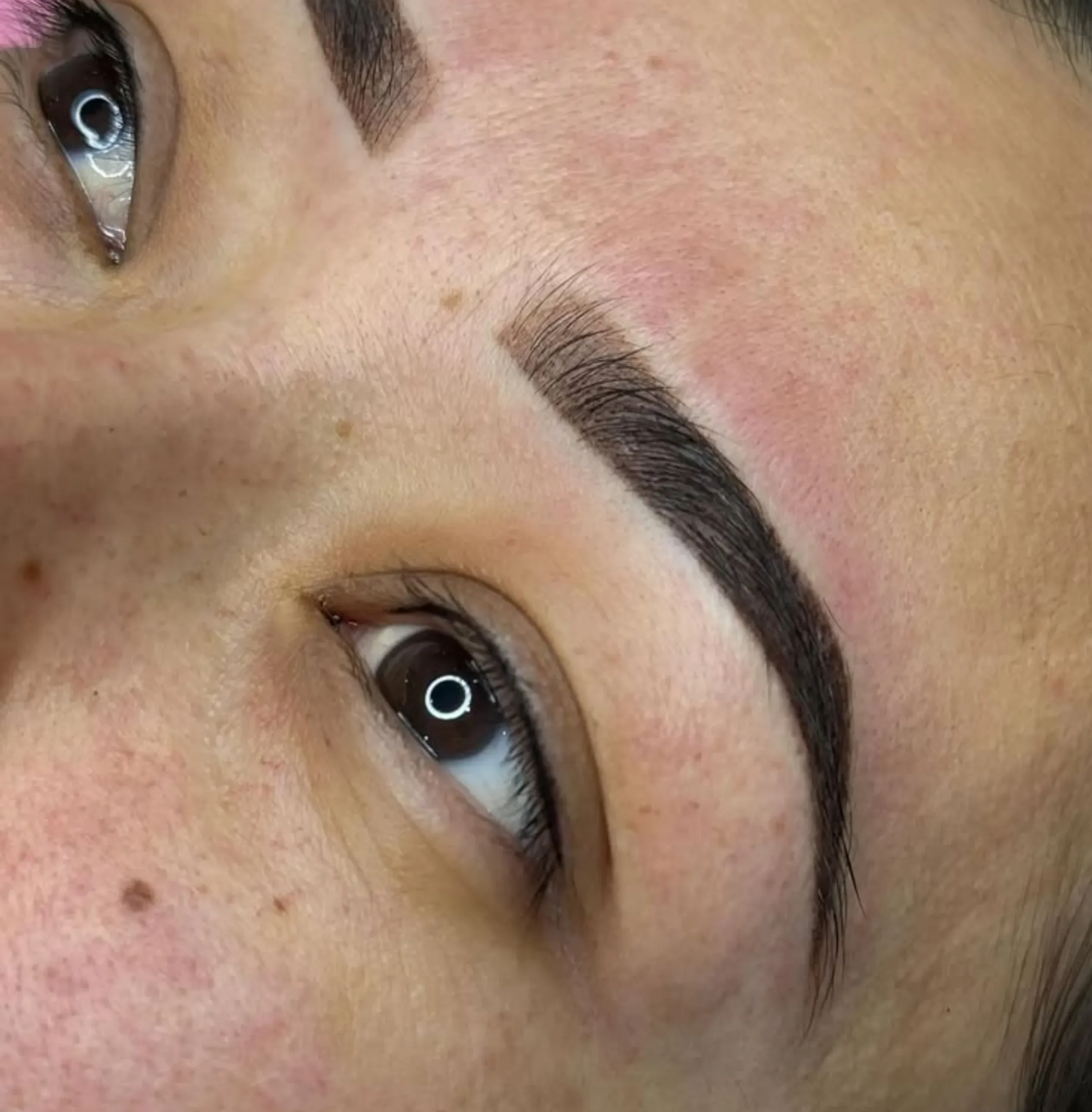
Alright, now you’ve got a good idea of how cosmetic ink and tattoo ink differ, you’re in a much better position to make the right choice when it comes to treatments and clinics for your face. Don’t go for pigments that are meant for tattoos on the rest of your body – that’s not what your face needs.
When you’re getting a permanent makeup treatment with high-quality pigments, good-quality tools, and proper hygiene, you get a result that looks and feels super natural and actually stays that way. It’s reliable, flattering – just what you want from a PMU treatment.
If you’re thinking about getting your brows, lips or eyeliner done, and you want some advice on pigment choices, then Cosmetic Tattoo Melbourne is the place for you to come and check out.
FAQ
Do cosmetic tattoo pigments turn blue in the long run?
No, they shouldn’t – not if you go for pigments that are matched to your skin and if the tech doing the work knows what they’re doing. Most of the time, the problem is that people use body art ink instead of proper PMU inks.
Are inks from organic sources safer?
Not necessarily – both organic and inorganic inks are safe if you use reputable brands that know what they’re doing. What makes the difference is the way the ink is formulated, not whether it says ‘organic’ on the label.
How long will PMU pigments last?
Most people get 1–3 years of soft definition before they start to fade, and that’s pretty typical.
Can PMU inks cause skin irritations?
It can happen, but it’s pretty rare. Still, if you’re getting your lips done, it’s a good idea to patch-test the ink first, since lips can be super sensitive.
Can you have cosmetic tattoo ink removed?
Yeah, you can. Because it sits closer to the surface, removing it with a laser or a saline solution is usually much easier than removing a regular tattoo.