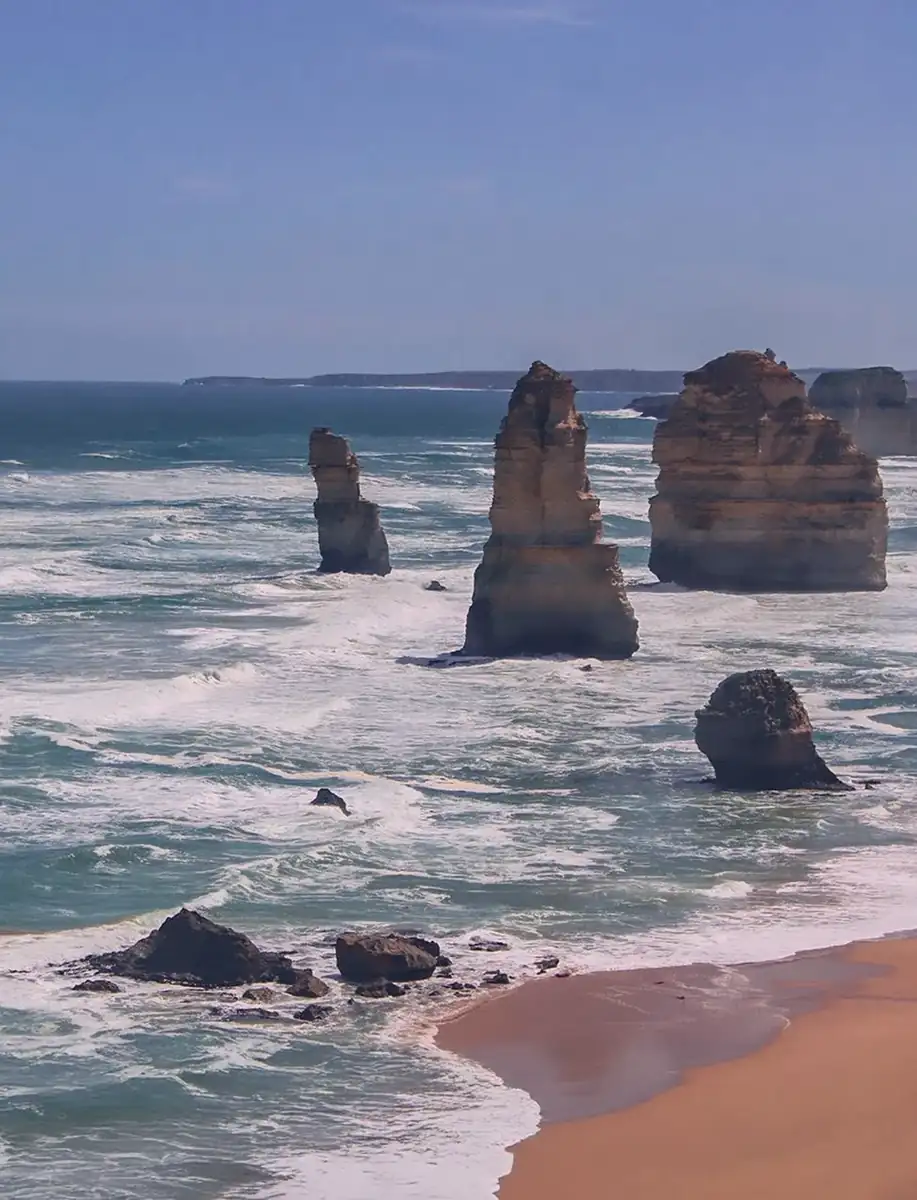
Could the Great Ocean Road be the ultimate Victorian getaway? In a word: yes, it definitely can… if you know how to do it right. I’ve lost count of how many times I’ve driven that stretch of road, from clunky tour buses to dodgy hire cars with a GPS that ought to have been stuck in 2009, and it still manages to be one of the most exciting road trips in the country.
It’s not just about ticking off the Twelve Apostles and then heading back to Melbourne. Done properly, it’s a real experience – the idea of surf towns, rainforest bits in the Otway National Park, spotting some wildlife, and that wild coastline they call the Shipwreck Coast. Whether you’re sorting out your own Great Ocean Road trip or getting on a Great Ocean Road tour, the difference all comes down to how you pace it.
What Makes This Stretch Of Coast Worth Your Time
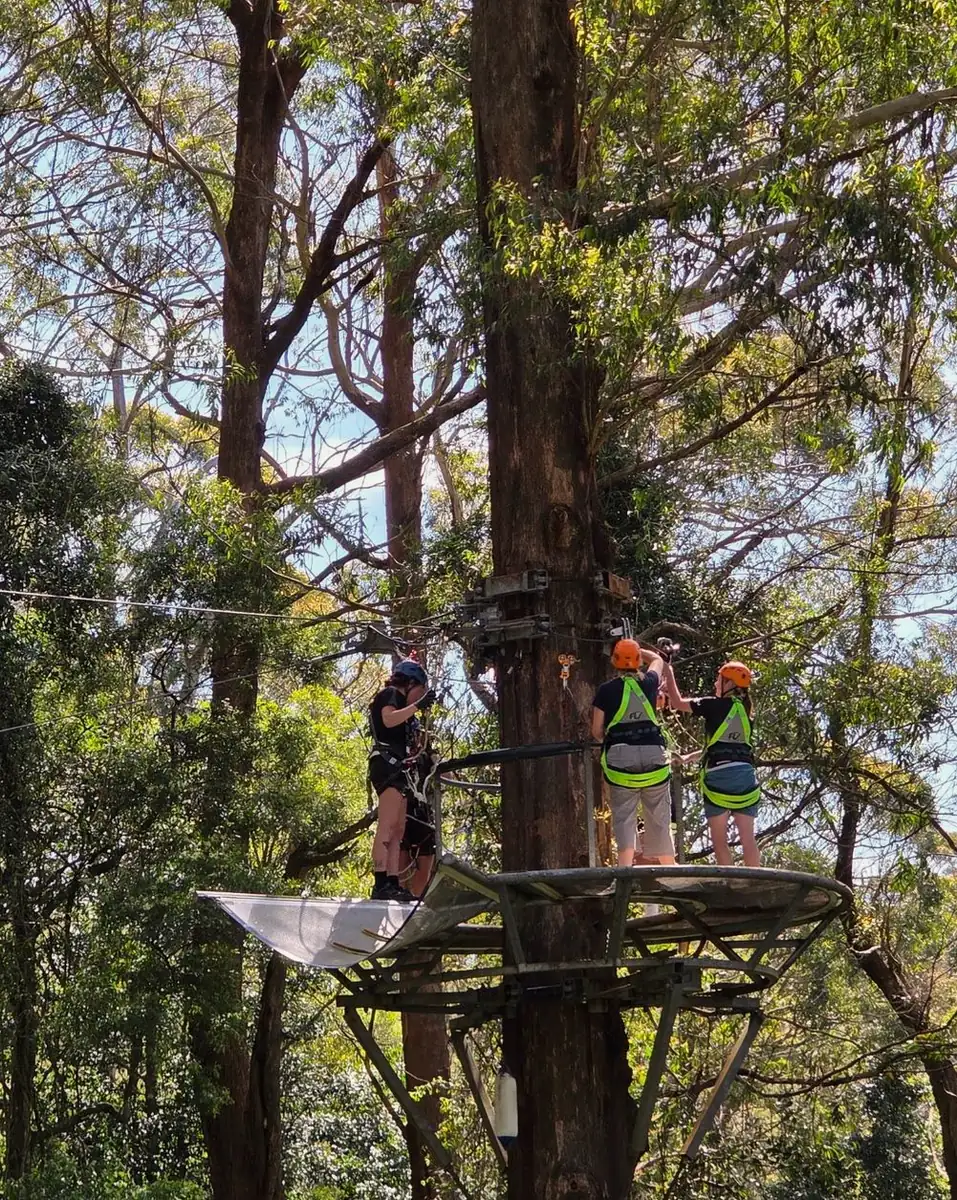
You don’t need much convincing that the Great Ocean Road is a stunner – but what really sets it apart is the sheer variety of stuff you can cram into a relatively short drive. One minute you’re chugging along cliff edges past Split Point Lighthouse, the next you’re winding your way through forest near Otway Fly Treetop Adventures, with nothing but gum trees and the occasional kookaburra for company.
From a practical standpoint, it’s also one of the more accessible coastal routes in Australia. The tourism people over at Visit Great Ocean Road reckon the whole route is about 243 kilometres long enough to feel like a real adventure. Yet, short enough you don’t end up trudging along feeling like it’s taking forever.
The Real Drawcards You’ll Actually Remember
It’s not just the scenery that’s the drawcard – it’s the mix. You’ve got surf culture on tap at Bells Beach, and wildlife lurking around Kennet River, plus waterfalls like Sheoak Falls hidden inland, and places like Port Campbell that still have a bit of history to them. It’s this balance that keeps people coming back to book repeat Great Ocean Road tours rather than just ticking it off and moving on.
How To Plan It Without Stuffing It Up
Pretty much everyone rushes it, though. That’s the biggest mistake I see – people trying to cram it all into a single Great Ocean Road day trip and then being gobsmacked at how much of a blur it all feels.
Ideal Trip Timing (From Experience, Not Brochures)
| Trip Length | What You Get | Reality Check |
|---|---|---|
| 1 Day | Apostles + quick stops | Long day, rushed, minimal exploring |
| 2 Days | Key highlights + overnight in Apollo Bay or Port Campbell | Sweet spot for most travellers |
| 3+ Days | Full experience including inland detours | Best option if you like slow travel |
If you’re booking with AutopiaTours, you’ll notice right away that their itineraries are pretty slick – they’ll pack a lot in, so you get to experience more of the Great Ocean Road and less of standing around for photos. That’s especially helpful when comparing different tours, and you’re sick of doubling back for an hour just to get a shot.
My Go-To Route (Simple And Solid)
Day 1 takes you through Torquay (pop by the Surf City Plaza), past Bells Beach, up to Lorne for Teddy’s Lookout. Yet, shortwild then on to Apollo Bay. Easy peasy.
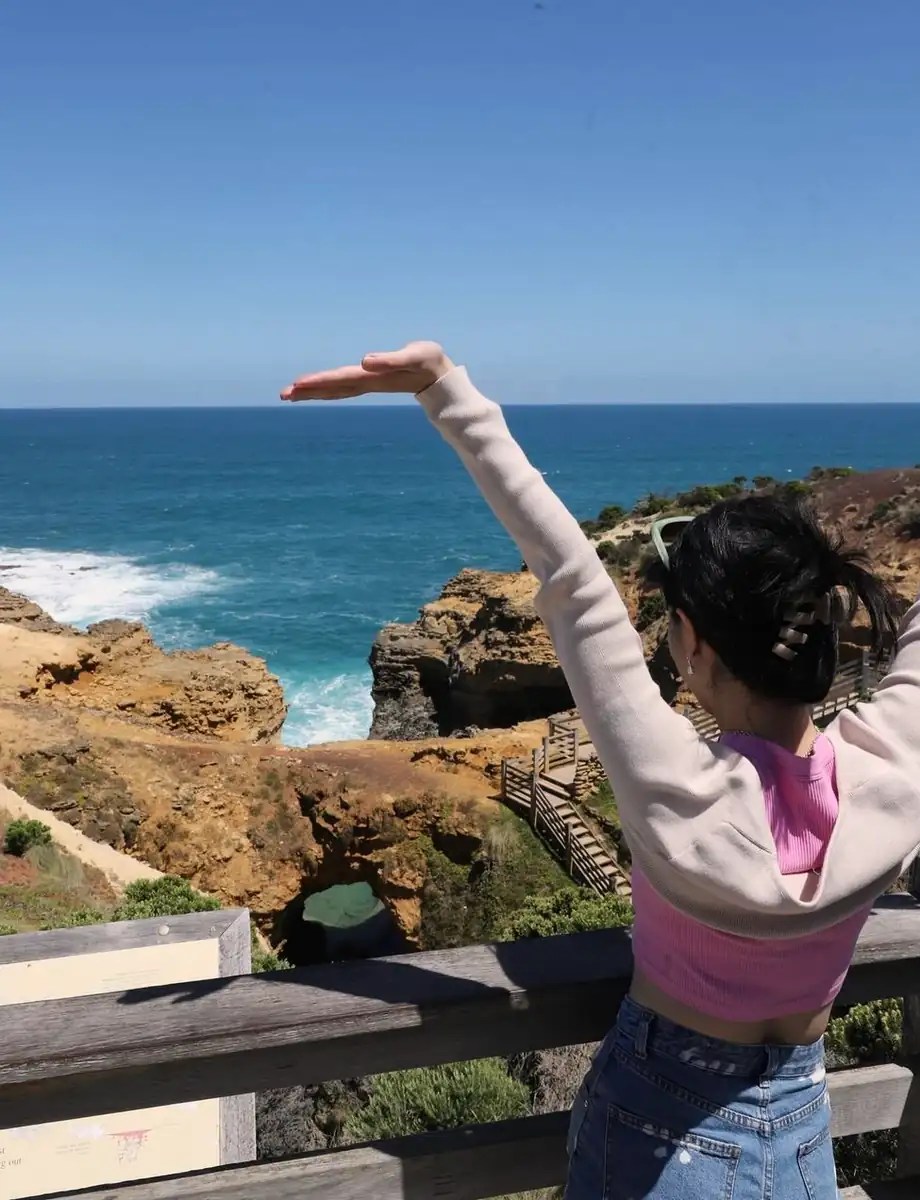
Day 2 is where the magic happens – The Twelve Apostles, Loch Ard Gorge, London Arch, and The Grotto all make an appearance, wrapping up in Port Campbell.
Quick Planning Notes
Ditch the overpacking and focus on getting the basics right – fuel, timing, and keeping an eye on the weather. Leave early, and try to avoid the crowds at these viewing points altogether.
Where The Coastline Actually Hits Hard
You’ll hear about all the “must-see” spots, but let’s be honest – not all of them are worth the stop. Some are just signposted tourist traps.
Stops That Deliver The Goods
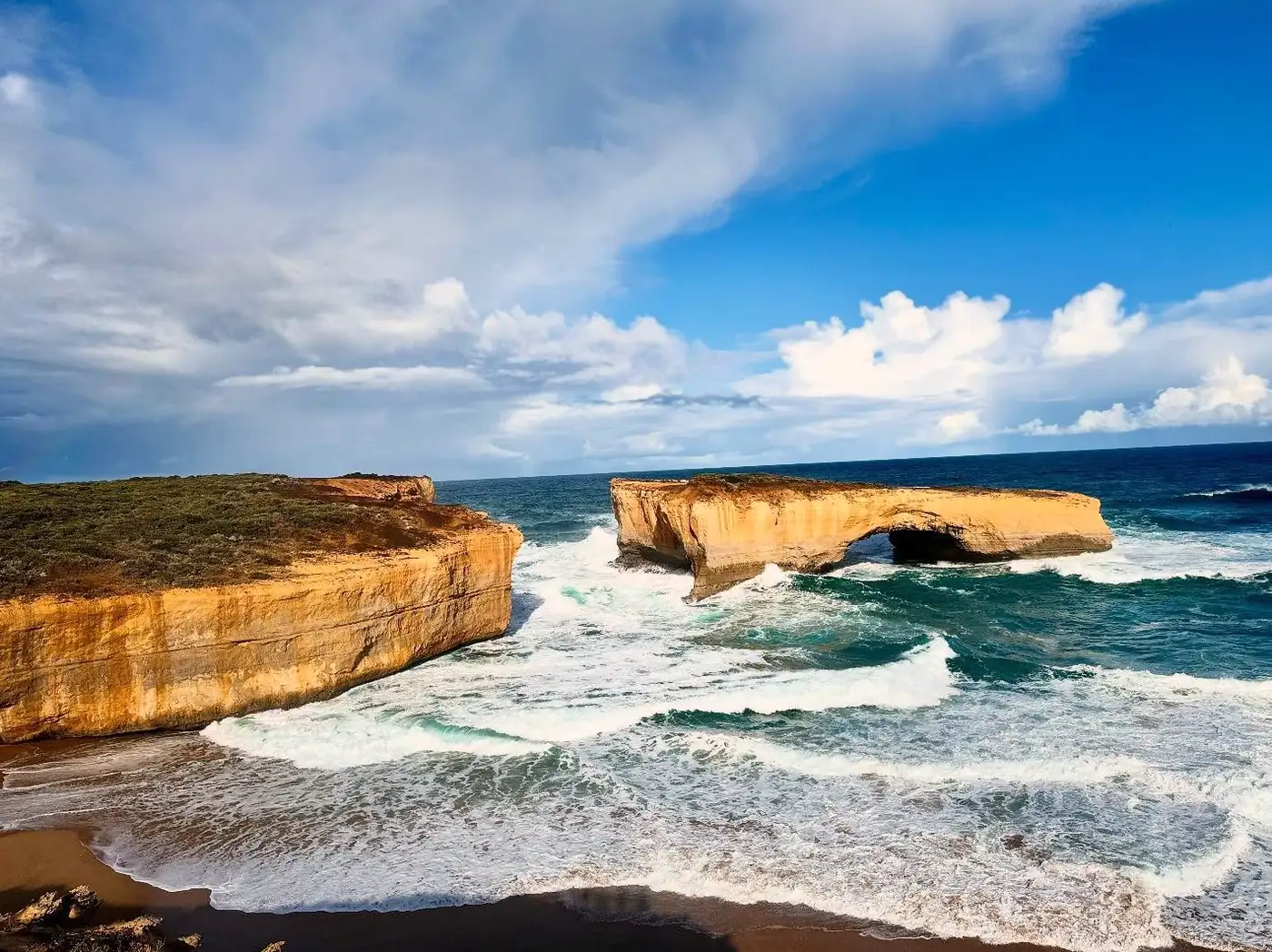
The Twelve Apostles is still the main event, but it can get a bit wild – you’ll find crowds and all that. Still, it’s worth it in the end. Loch Ard Gorge is a nice alternative – way less crowded and way more interesting, I reckon. And down the road a bit from there, you’ve got London Arch (used to be called London Bridge, for some reason – still pretty cool, though). That’s just one of those moments that remind you the coastline is still changing.
Stops That Often Surprise People
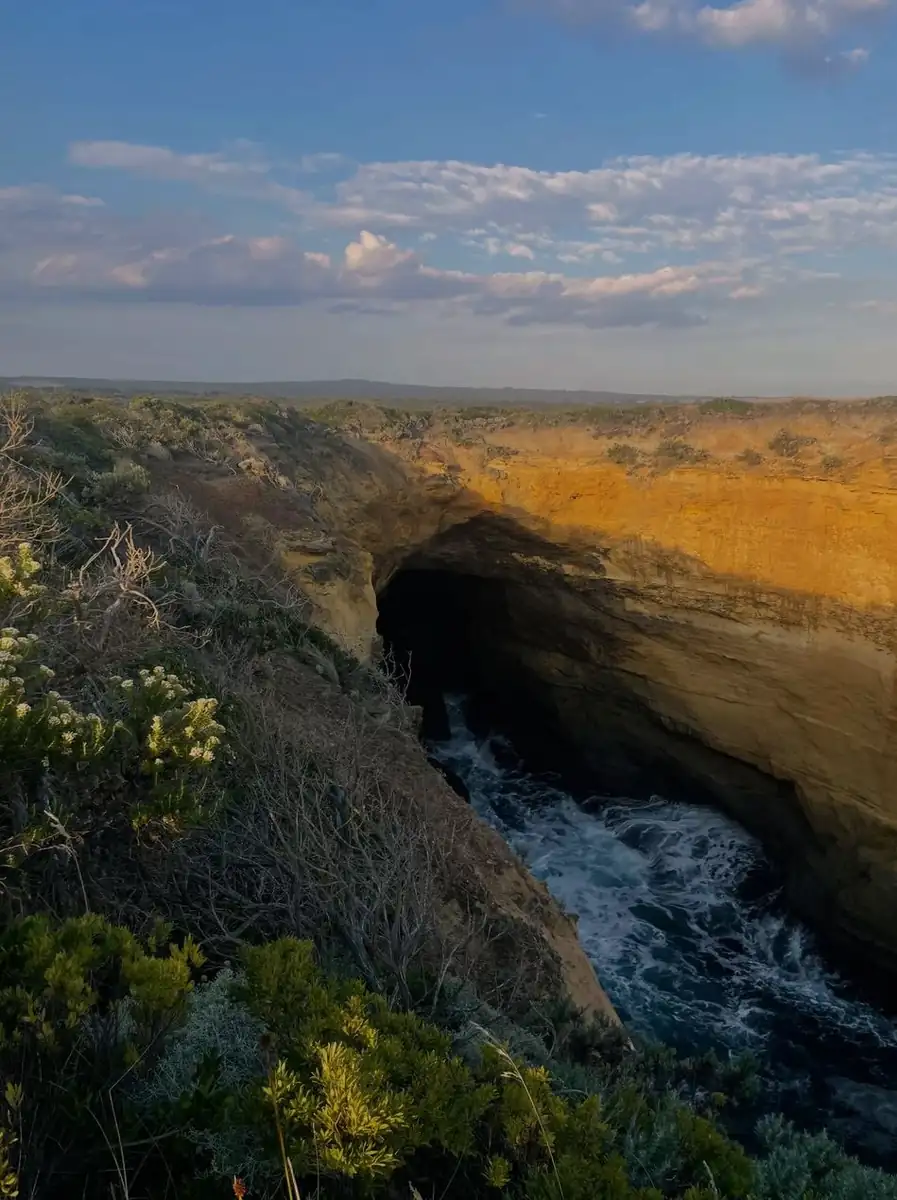
Places like The Grotto or Saddle Lookout might not get the recognition they deserve, but they tend to surprise people and become the highlight of the trip. If you’ve got some time to stretch inland, a short walk to Phantom Falls or Sheoak Falls can break up the drive a bit without adding hours.
Seasonal Reality Check
Timing really is everything here. I’ve done this road in the chaos of summer and the storms of winter – completely different experiences.
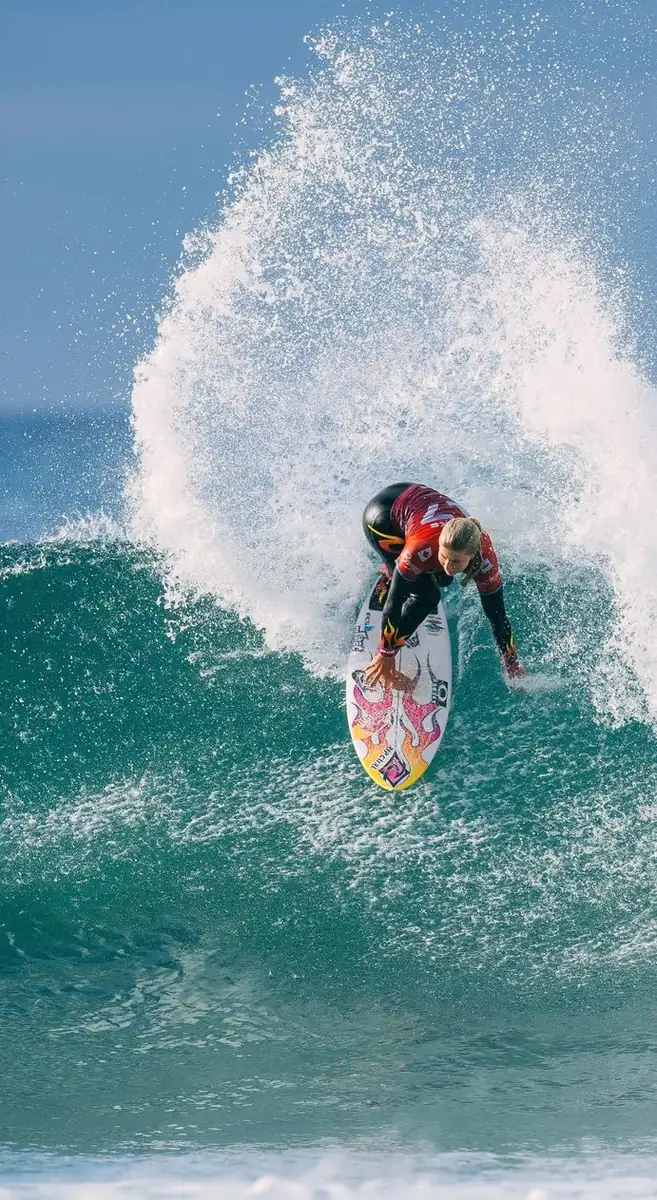
Summer brings the crowds, especially around Bells Beach when there are events like the Ripcurl Pro on. Autumn is a bit of a sweet spot – steady weather, fewer people, and way easier driving. Winter has its own special charm, with some pretty wild seas and the chance to see whales near Logans Beach. Spring is somewhere in between the two.
If you’re booking a Great Ocean Road tour, make sure you check the season before you lock it in – it can totally shift the experience.
Wildlife, Weather, And The Stuff You Can’t Control
This isn’t some controlled environment – it’s the real deal, a working coastline. Winds can really hit hard along the exposed bits, especially along the Shipwreck Coast. Kangaroos tend to move around at dusk, which is when drivers get a bit too comfortable. And don’t even get me started on rain – it can roll in pretty quickly and change the road conditions in minutes.
You want to stay flexible. If a lookout is closed or the weather’s looking dodgy, just move on. The road’s got plenty of options.
Tours Vs DIY: What Actually Works Better?
I’ve got some experience with both of these options, and to be honest, the answer all comes down to your level of patience.
Driving yourself gives you total freedom to do what you like, but on the flip side, you’ll have to deal with hours and hours of driving, constant attention, and the risk of missing out on some of the key stops on the way. Then there’s the other side of the coin – a structured Great Ocean Road tour that takes the pressure off and lets you enjoy the trip without having to worry about finding your way. Plus, you get to pick up on all the local knowledge and history that you’d probably miss if you were driving yourself.
Operators like AutopiaTours seem to have got the balance just right. They’ll make sure you get to see all the best bits without feeling rushed. That’s why a lot of people do a guided Great Ocean Road tour from Melbourne to start with, and then come back later to do it again on their own.
The “Things People Forget” List
Every trip has a few rookie mistakes. Here’s the stuff people don’t think about until it’s too late:
- No mobile reception in parts — don’t rely on Google Maps
- Limited public toilets outside major stops
- Weather changes fast — pack layers
- Parking fills up at peak times — especially at the Apostles lookouts
- Don’t rush for “perfect shots” — you’ll end up with rushed, silly pictures and miss the moment
Why This Trip Still Holds Up
I’ve been all over Australia – from the dusty tracks in the NT to the long hauls across WA – and I’ve got to say, the Great Ocean Road still holds up as one of the best, partly because it’s so easy to get to without losing any of the adventure vibe.
It’s one of those rare places that manages to tick all the right boxes – easy to reach, but still feels like a proper adventure, with loads of great local food and drink options in towns like Port Campbell (try spots like Anchors Port Campbell after a long drive).
And if you need to unwind after the drive, there are loads of great places nearby to do just that – like The Deep Blue Hot Springs in Warrnambool. Whether you do a quick Great Ocean Road day trip or stretch it into a multi-day holiday, this road always leaves a mark.
FAQ
Is One Day Enough For The Great Ocean Road?
Technically, yes, you can do the whole thing in a day. Realistically, probably not. A Great Ocean Road day trip will give you a taste of the highlights – like the Twelve Apostles – but you’ll miss so much of the depth and character of the place.
When’s The Best Time To Visit?
If you want the best balance of weather and crowds, go in autumn (March to May). If you don’t mind the crowds, summer is a good time to go – especially if you’re into surfing.
Is It Safe To Drive?
Yeah, but don’t get too complacent – the road is winding, especially near Devil’s Elbow and the cliff sections.
Do You Need A 4WD?
No, you don’t need a 4WD to drive the main road. The road is sealed and accessible with a standard vehicle.
Are Tours Worth It?
If you don’t want to drive yourself, or you’re short on time, joining one of the Great Ocean Road tours is definitely an option worth considering – especially with a good operator like AutopiaTours.