When it comes to the Sydney climate, one wants a sealant with some flexibility and UV resistance that is right for the surface and the degree of exposure. For most outdoor joints, a quality neutral-cure silicone or hybrid polymer works well; for concrete and masonry, polyurethane or a compatible hybrid usually offers better movement capability and adhesion.
In my experience as Isabella Marlowe, trouble with a sealant seldom has its origin in the tube. More often than not it is down to hasty preparation of the surface, or an overconfidence that “waterproof” is synonymous with “indestructible”, or simply having the wrong product at hand. With the temperature swings, the coastal humidity and the summer downpours we get here, a poor joint will be found out in no time by the high levels of UV radiation.
The Weather in Sydney is No Easy Task
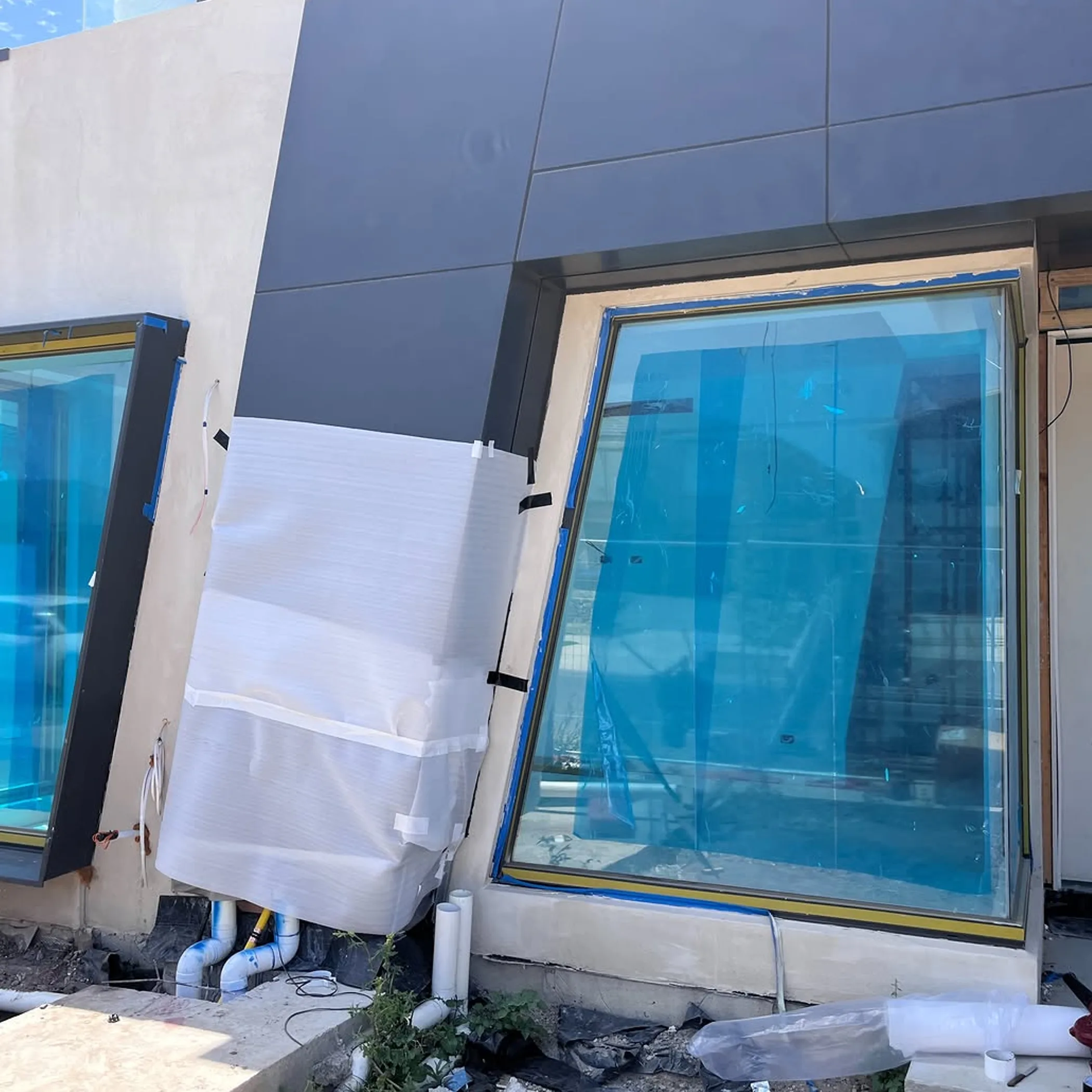
Exterior sealants are put through their paces by the local climate. You can have a joint under bright sun one morning and wind-driven rain come afternoon, then salty air from the coast overnight. The constant wetting, expansion and contraction of this sort will make short work of a good bead, leaving you with something cracked and peeling. For context, see the Sydney 2026 price guide.
Then there is the matter of the materials in an Australian home: brick, timber, fibre cement, concrete, aluminium, glass and painted metal. All of them move in their own way and the sealant has to accommodate that without turning brittle or letting go of its adhesion.
Sun, Salt and Rain
Direct sunlight is the chief culprit in early sealant failure; some will discolour, chalk up or become inflexible. This is of concern on façades, around windows and doors, roof penetrations and the like.
Rain is another issue. A heavy summer storm can force water into the smallest of gaps, particularly if the joint is sloped towards the building. Put it this way, a millimetre of rain is roughly a litre per square metre, so a brief shower can put a lot of water on a façade.
And for those with a house on a headland or near a bay, the salt air is an added complication. It will not of itself destroy a sealant but it does make proper adhesion and surface prep all the more necessary.
To Use Silicone, Polyurethane or a Hybrid?
Deciding between silicone and polyurethane is straightforward if you let the joint dictate the choice. You will find silicone to be superior in wet areas and around glass, while polyurethane is what you want for a construction joint that puts demands on it. Hybrids are a sensible option for many a repair.
There is no one size fits all. The homeowner in Sydney would do well to buy the weather sealant that is commensurate with the substrate, the moisture, paint needs and exposure.
| Type | Best Uses | What they do well | Caveats |
|---|---|---|---|
| Neutral-cure silicone | Windows, bathrooms, glass and some exterior joints | Waterproofing, UV resistance and flexibility | Not easily painted as a rule; porous surfaces are not for some formulas |
| Polyurethane | Masonry, concrete, any construction or expansion joint | Abrasion and movement are handled with ease, adhesion is top notch | You must prepare the surface properly and a primer may be called for |
| Hybrid polymer | Metalwork, façades, mixed materials and general repairs | A flexible, weather-resistant product that can be painted | One formulation can be quite different from the next |
| Acrylic or paintable | Interior trim, painted gaps with little movement | Tools and paints readily | Do not expect much from these on an exposed exterior joint or where there is constant wetting |
Movement is More Important Than Colour
It is easy to pick a sealant on the basis of how well it blends with the wall. But a joint separating two materials with different rates of expansion calls for a certain amount of give.
If the exterior is to be painted, only go with a paintable sealant if the manufacturer says it will take the coating. Apply too thick a layer over a moving joint and the paint will crack even if the sealant is fine.
Roof, Gutter and the Like
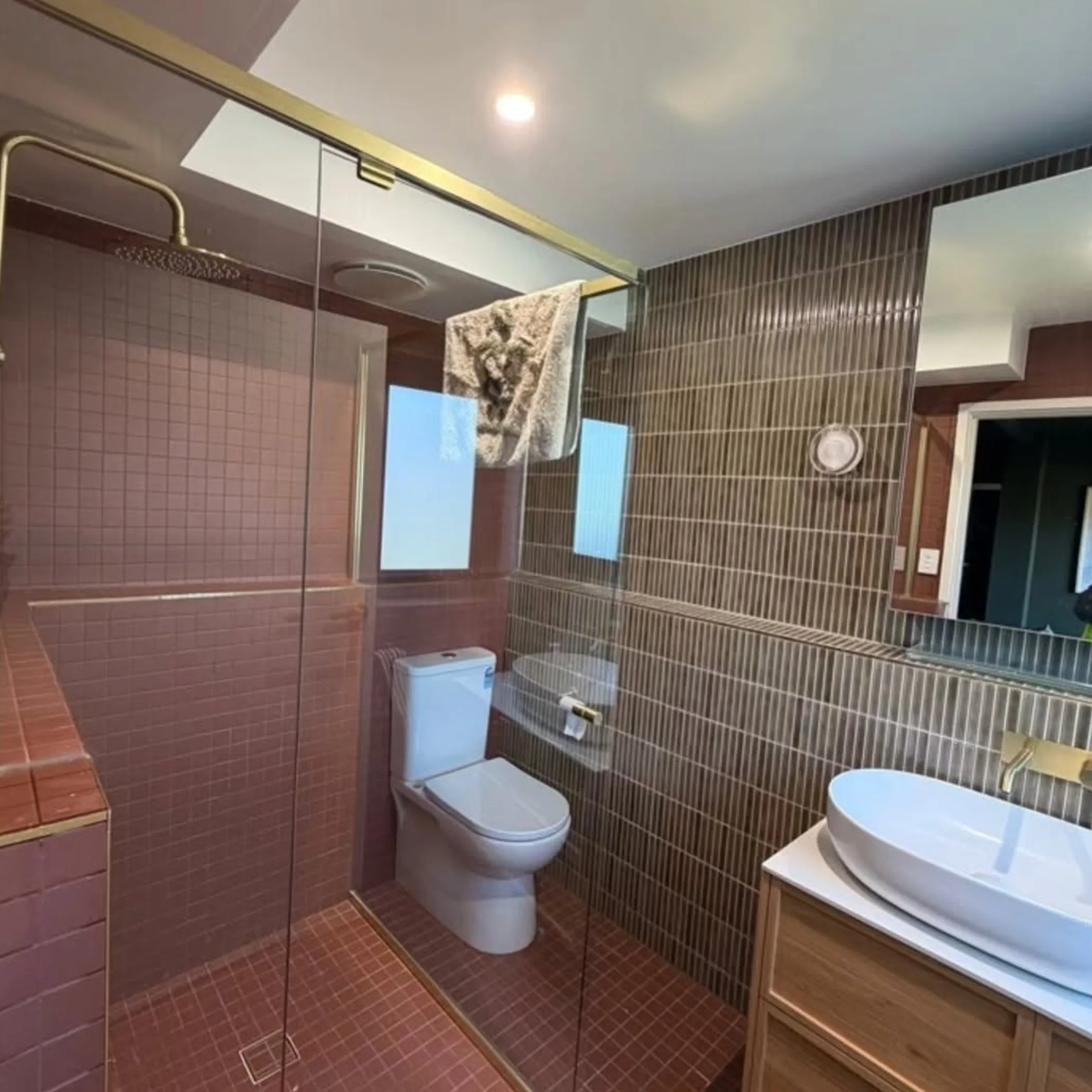
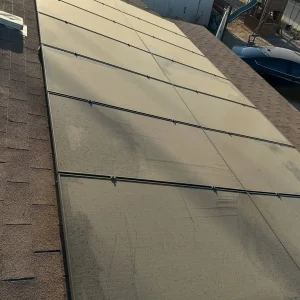
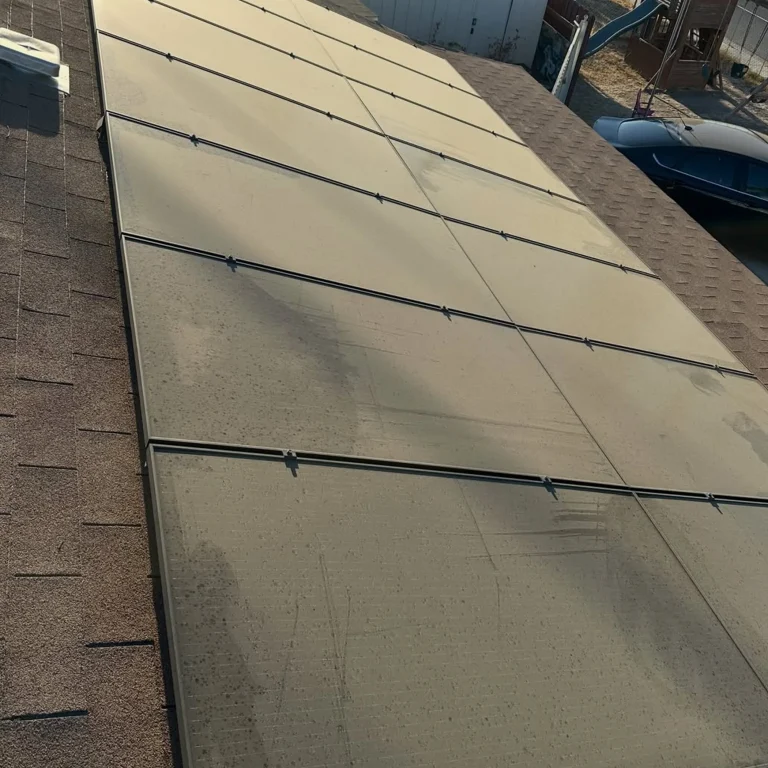
What might serve you well in the laundry is not going to last on a hot roof. Roof and gutter sealant has to stand up to thermal movement and the elements. Make sure it is an exterior formula for the material in question and has a decent application range and UV resistance.
Do not be under the impression that a sealant is some kind of panacea for a failed roofing screw or rusted section of gutter; it is a treatment for the joint, nothing more.
Outdoor Applications
In Sydney you will see exterior sealant used on cladding transitions, flashing edges, downpipes, roof penetrations and the odd gap about an outdoor fixture. See that the joint is devoid of dust, oil, loose paint or old crumbly sealant and is dry as the case may be.
On the roof safety is paramount. There are genuine fall hazards with steep pitches, brittle sheets and skylights you may not see coming, to say nothing of a wet surface. A job that has you on a ladder over uneven terrain or in the vicinity of electrical wiring is not something to put off for a Saturday afternoon with a caulking gun; engage a licensed tradesperson.
A Patch Will Not Do
Do not be fooled by water staining in the home as to where it is coming from. It can make its way along roofing laps, insulation or framing and show up a few metres down the line. Should a leak reappear once sealed, do not simply put another bead on top of the old one but have a look at the system as a whole.
The likes of a poor gutter fall, an obstructed downpipe or a roof sheet with a crack will see through any good quality sealant. And if one goes about sealing a surface that is wet or moving without addressing the root of it, most are apt to be made out by it.
Protection For The Bathroom
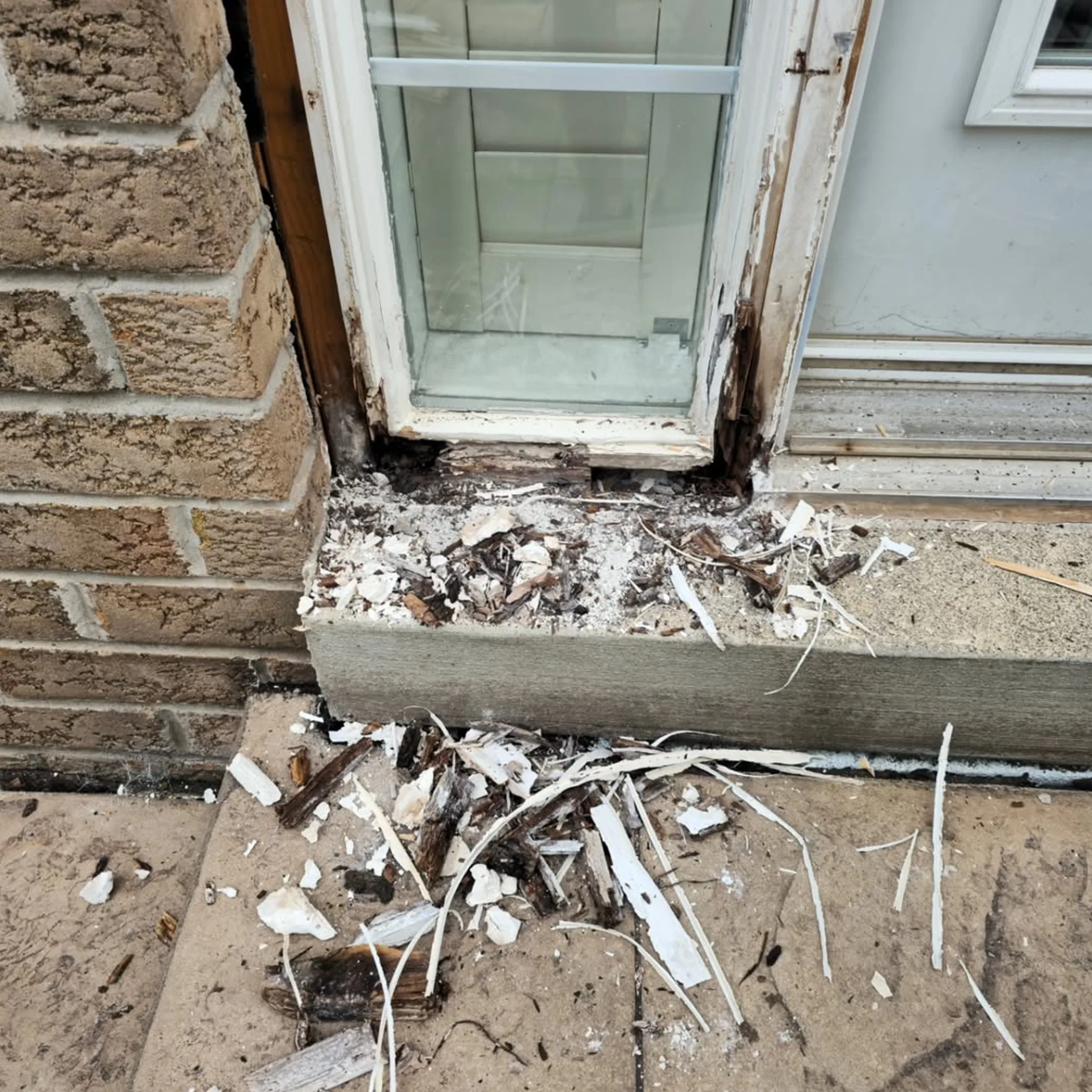
Homeowners in Australia would do well to pick a bathroom sealant that stands up to mould, cleaning agents, soap and the kind of moisture one finds there. Provided the label is in order, neutral-cure silicone is the usual choice for shower screens, basins, baths and the junctions of tile and sanitary ware.
Yet even a waterproof sealant is no substitute for a sound substrate. It will not make up for a shower recess left wet for hours after use, bad falls or where the waterproofing behind the tiles has given way.
Let The Sealant Dry
I learned to my cost some time back, not the most glamorous of lessons, when I put in a bathroom repair in a hurry ahead of guests. The bead was fine to look at until someone had a shower and the uncured part came up at the edge. Had to take it all out and begin again, which was more time than I would have spent if I had let it cure.
So adhere to what the label says in the way of curing, ventilation and cleaning. Make sure the area is kept dry for as long as is called for. Any joint that is soft, dark, pulling away or has gone mouldy should have the old stuff taken out before new material is put in.
Driveways, Masonry And Concrete
In Sydney a concrete sealer could refer to a coating put over the surface or a flexible sealant for a joint; they are not one and the same. The former will cut down on water absorption, the latter allows for slab movement.
On masonry joints, balconies and driveways one wants a product to stick to alkaline porous matter and put up with the rigours of being driven or walked on. Polyurethane and hybrids of a certain type are generally better served than your standard bathroom silicone.
Address The Joint
Check a concrete joint prior to sealing: is it wide, deep or on the move? Clear the loose debris. A backer rod might be in order for a deep joint so as not to have an unwieldy mass of sealant. Use only what the instructions vouch for.
And do not be casual about a structural crack. One due to settlement or drainage issues ought to be assessed before any waterproofing is done. A sealant may hold water at bay for a while but the problem below will just get worse.
Coastal Properties

With the damp and salt of a coastal climate you need adhesion, flexibility and UV resistance. Those in Manly, Coogee, Cronulla, Botany Bay and the like must be vigilant at window frames, metal interfaces, roof penetrations and balcony edges.
It is not necessary for every sealant to be of the marine variety, but then weak adhesion and corrosion will make themselves known in short order. Put right any corrosion and give exposed joints a regular once-over, rinsing salt from surfaces where you can, before you put a sealant over them.
Before You Buy
Look at the substrate first and not the brand. See if the sealant is fit for timber, brick, glass, aluminium, plastic or painted metal. Is it rated for the temperature range, exterior conditions and the joint movement you can expect?
Heed compatibility warnings too; some will mar natural stone or not hold on a damp surface. If the label stipulates a dry surface, “nearly dry” is no technicality to pass under.
- For an outdoor joint you want weather and UV resistance.
- For a bathroom it is mould resistance and compatibility with your fixtures.
- For concrete you need abrasion resistance and the ability to handle movement.
- With painted work, make sure the sealant is paintable and the coating will take it.
Longevity In Application
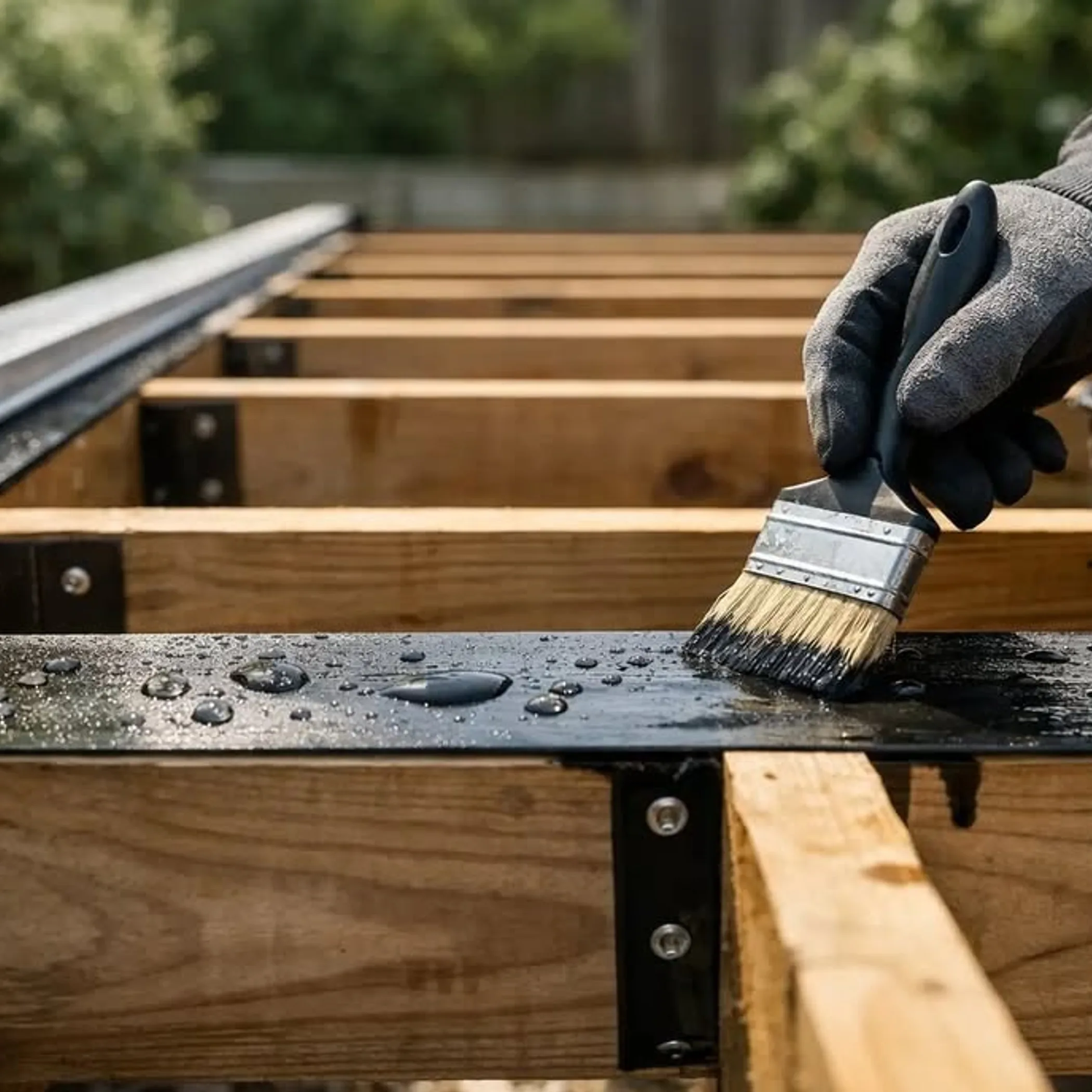
How you prepare the surface is of greater import than the final selection from two name brands. Brush the dust, degrease if you must and let it dry as per the directions, and use the right tools to get the old sealant off.
Make the nozzle fit the joint; do not put it at such an angle as to leave a bead with the look of a sausage. Put in some masking tape for a tidy edge, though be sure to take it off before the sealant has a chance to skin over. Apply with even pressure and tool the sealant right away.
A Repair Done Simply
Start by ascertaining what went wrong with the joint. Is there a gap too deep, or is it a case of failed grout, loose tiles, corrosion, obstructed drainage or movement? Once you have determined the cause, clear out any material that is not sound and make ready both sides of the joint.
When you put on the sealant, do so in one go to preclude pinholes or breaks. Tool it hard up against the surfaces and let it cure completely. Then inspect your handiwork after a good rain or a stretch of hot weather. The Sydney climate makes for a quality-control manager of sorts, if a rather rude one.
- Correct whatever water or movement issue is at the root of the problem.
- Get rid of the old sealant along with any oil, dirt, loose coating and corrosion.
- Make sure the substrate is compatible and check the curing and weather rating.
- Put down a neat, unbroken bead and see to it that it is undisturbed while it cures.
- After that, have a look at the joint under normal movement and the elements.
Sydney Sealant: Costs And Value
How much a sealant job will set you back is a matter of the product, the size of the repair, how easy it is to get at and the prep work involved. You might put down AUD 10–35 for a small DIY tube but expect to pay more for something of a specialist or high-performance nature. A tradesman will have a call-out fee at least, and labour costs mount up when you are dealing with a roof or multi-storey access.
Take the Sydney 2026 price guide for what it is, a basis for your budget and no guarantee of a fixed quote. In the end a bargain tube is dear if the joint gives way and you have to strip the whole repair because of water damage to the substrate.
On a one-day fix, pick a joint where the cause is obvious and you can get to it easily, say a gutter connection or a small window perimeter. Unless you know the safety and construction requirements, leave the steep roofs, large balcony membranes and shower leaks behind tiles alone.
There may be National Construction Code implications for building and waterproofing work, particularly if the repair is part of some larger alteration. For official forecasting and any weather warnings prior to working outdoors, consult the Bureau of Meteorology.
Sealant Questions You Will Be Asking

The sort of questions that arise when a bead has to stand up to actual Australian conditions and not just for the photograph taken straight after application.
Wet Conditions: What Is The Best Sealant?
One with good adhesion and rated for exterior or wet-area waterproofing. Neutral-cure silicone will do for most glazing and bathroom work, though you may want a polyurethane or hybrid for masonry and concrete. Read the label, as even with a wet surface many products insist on a clean, dry substrate.
For The Bathroom In Australia?
Sanitary silicone with mould resistance is generally the answer for junctions at the bath, basin or shower screen, provided the label says it is compatible. It is not for shoring up poor drainage or waterproofing that has failed behind the tiles. Any old mouldy sealant should be removed in its entirety.
Caravan Sealant?
Go with a flexible RV-rated type that will work with the caravan’s aluminium, fibreglass, rubber, plastics and paint. Do not be swayed by colour or think a household bathroom silicone is going to do for every joint on a caravan. See if it is one that can be removed for maintenance down the track.
High Temperature?
You need a sealant with the rating for the exposure and heat in question. What is fine for an oven or exhaust is not necessarily right for an exterior building joint. Look at the technical data on the limits for continuous and intermittent temperature, the substrate and the like.
Will Sealant Put An End To All Roof Leaks?
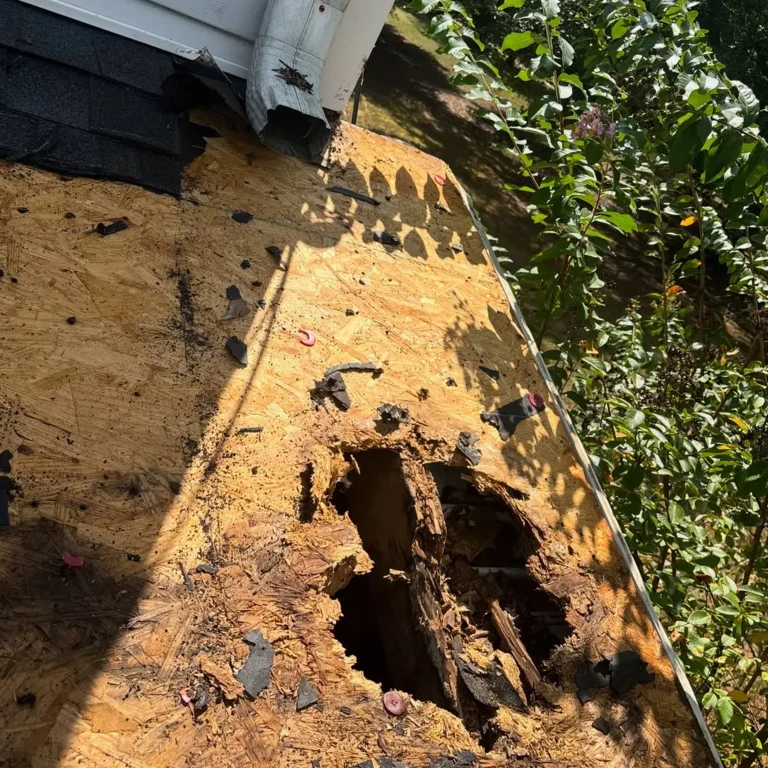
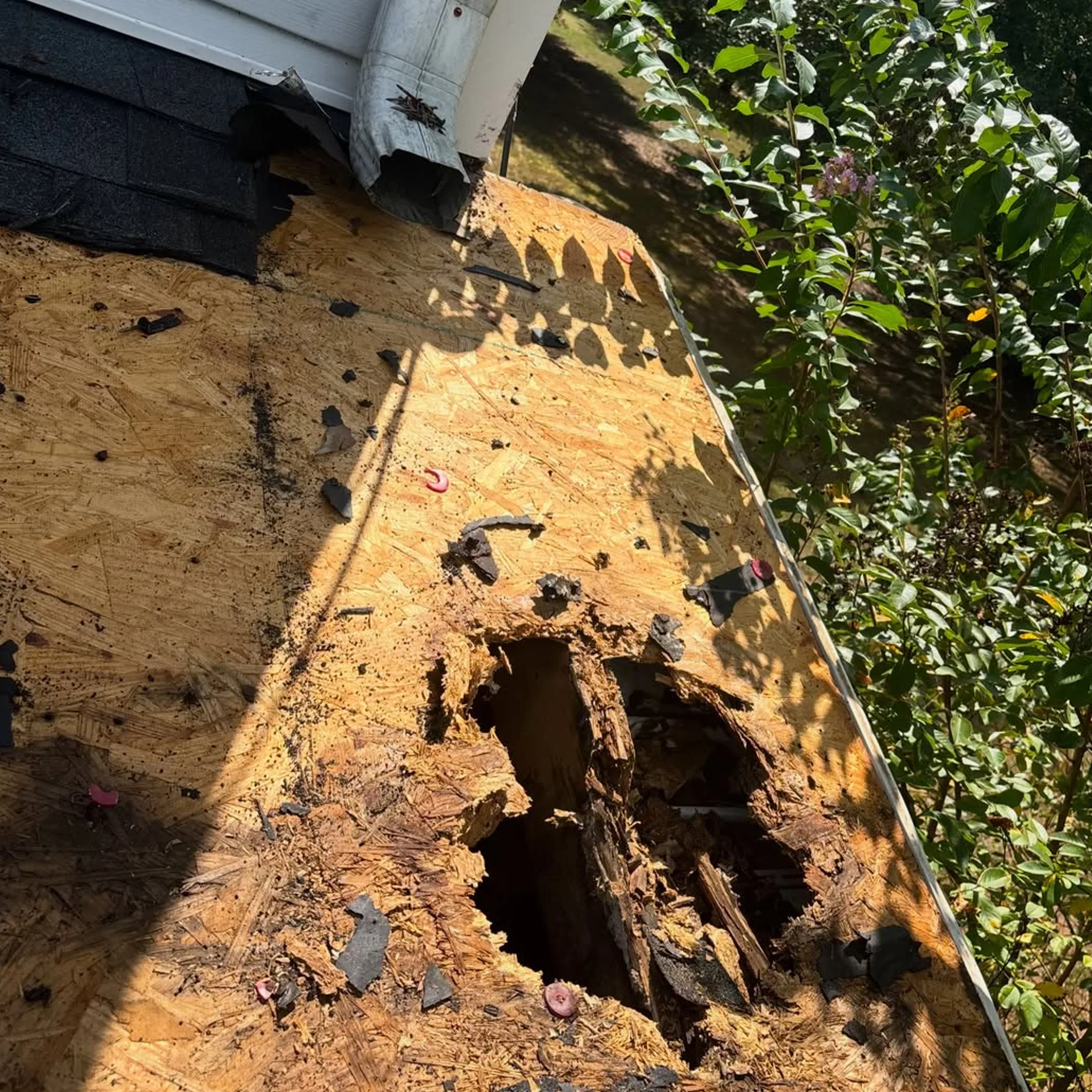
It will not. Rotten roofing, structural movement, blocked drainage and bad flashing are beyond its reach. It can close a penetration or a lap, but if the leak is back after you have made a careful repair, have the roof system looked at by a professional.
What Sydney Homes Should Have
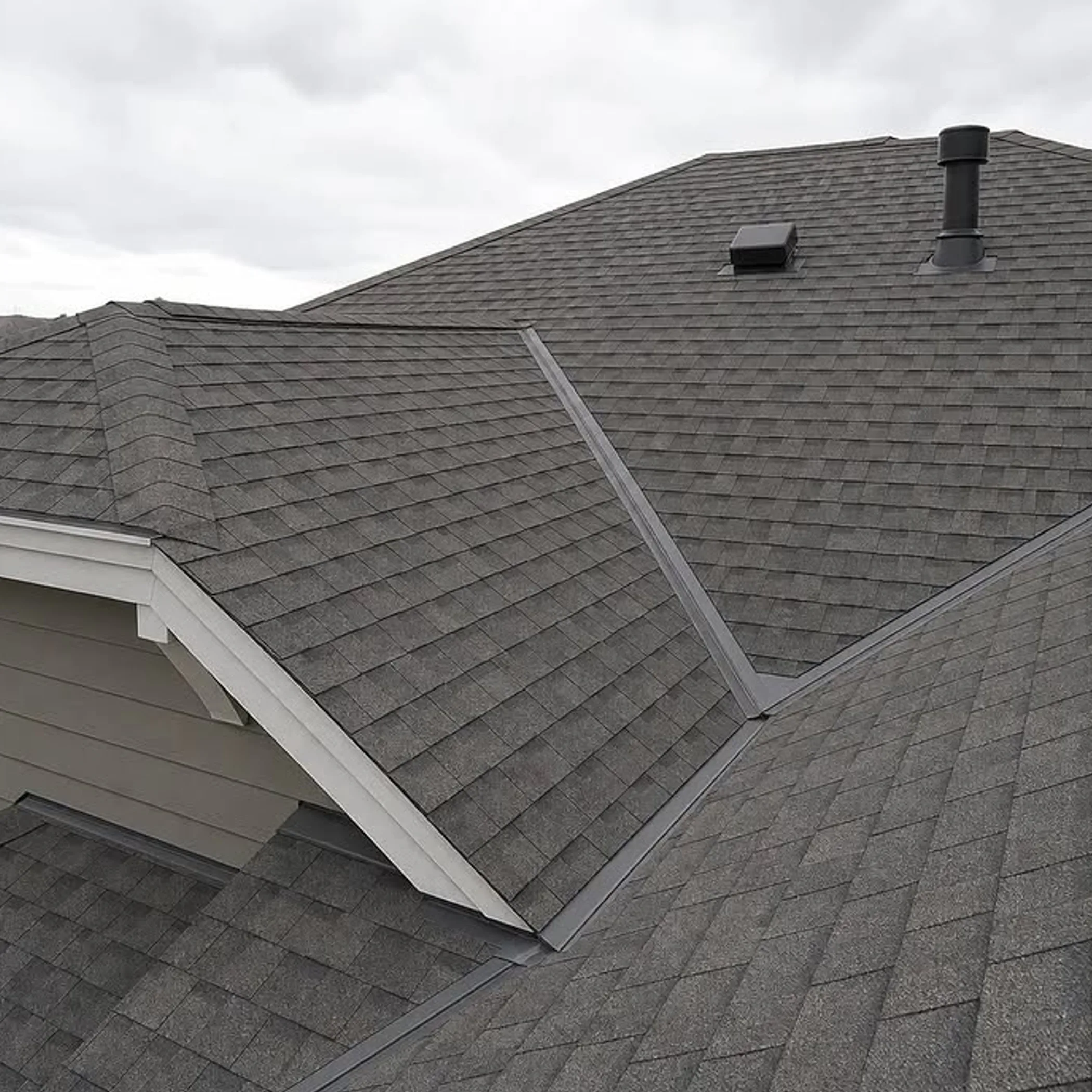
In this city you have to choose for the application and not out of habit given the coastal exposure, the sun and the rain. Exposed roofing calls for an exterior grade for the gutters and roof, a polyurethane or hybrid for the more exacting masonry and concrete, and a UV-resistant silicone for glass and wet areas.
Give the surface the preparation it needs and do not chafe at the curing time. A recurring leak is a sign of something more. It takes a bit of attention to do it right, but then your sealant is better placed to see out the next hot summer and the odd salty breeze or Sydney downpour.