You will find spring and autumn to be the best seasons for a solar system check in Victoria. With spring your system is readied for the stronger generation and longer days to come; autumn affords a sensible opportunity to have the inverter, cabling, roof access and panels seen to before winter and its cloud cover, wet weather and abbreviated days set in.
Isabella Marlowe here from the Geelong area, where one can have a sunny morning that is brisk by the time the kettle has boiled. Homeowners as a rule need not bide their time for some dramatic fault to occur. A once over in the season will reveal any performance changes or loose fittings, not to mention the dust, leaves and bird droppings, all while the system is still putting out power.
Why Seasonal Checks Matter
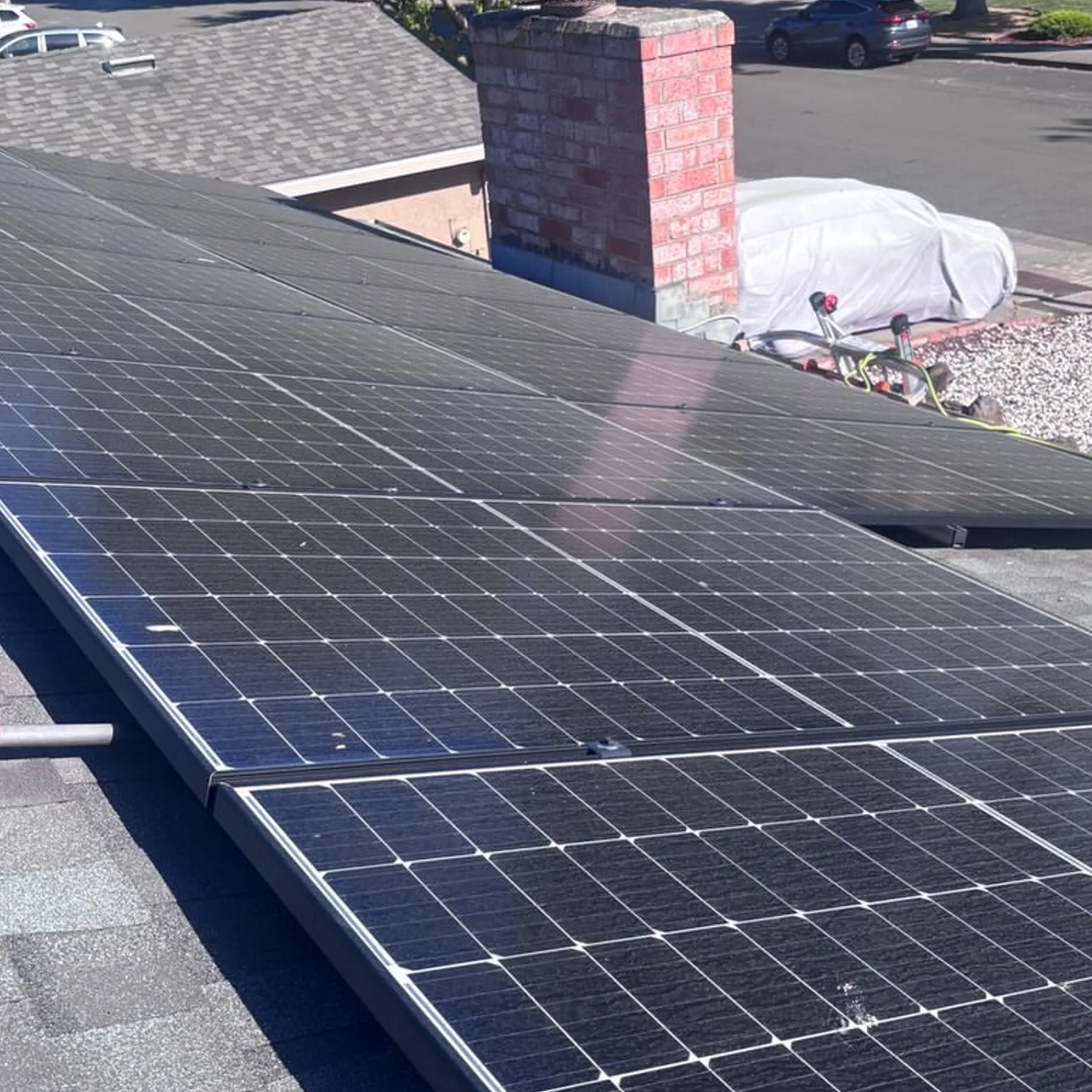
Out in the elements your solar panels have to put up with wind, rain, heat and the odd feathered visitor. An inspection will tell you if the system is delivering what it should and if minor problems are on the way to becoming costly ones.
For Victoria homeowners, maintenance ought to be more than a case of wiping down the glass. reliable array servicing nearby can help. Any self-respecting solar power system inspection will take in the whole of it: the condition of the roof and mounting points, the inverter and wiring, isolators, the safety of the setup and the monitoring data.
Victoria’s Changing Conditions
From Melbourne and Geelong to Ballarat, Bendigo, Gippsland and the regional districts, the weather in Victoria is anything but uniform. One size does not fit all when it comes to a maintenance schedule given the effect coastal salt, hail, tree cover and strong winds can have on a system. It has to suit the property.
Then there is the natural ebb and flow of efficiency. The long summer days in Victoria will see an uptick in generation but also higher temperatures that can curtail panel output at times. Do not assume something is amiss because of a seasonal drop in the winter months with the sun lower in the sky and less daylight.
Best Seasons For Checks
Servicing is most practical in spring and autumn. The mild weather makes for safer roof access and gives you the chance to get things in order for the season. But it is also a matter of how much electricity is used, the age of the system and the roof design. A rural place with dust about it calls for more regular attention, a Melbourne home under deciduous trees might want an extra check once the leaves are down.
| Season | What It Helps Identify | Why It Matters |
|---|---|---|
| Spring | Debris, shading, monitoring faults and any winter damage | To have the system in good order for the higher generation and daylight |
| Autumn | Declining output, cable damage, leaves and roof drainage | A good way to check things over ahead of the shorter, wetter days |
| Summer | Dust, inverter issues from the heat and high demand | When output is down in the strong sunlight it is worth looking into |
| Winter | Water entry, cloud cover and reduced generation | Convenient for investigating a fault, not so much for routine work |
The Bureau of Meteorology has the long-term climate figures to show that temperature, rainfall and sunlight differ from place to place. So do not expect the same daily production from a system in northern Victoria as you would in Melbourne. If you have the historical data from your solar monitoring, make the comparison.
Spring Checks For Higher Output
Planning a solar panel inspection in Victoria around the spring is a sound move. As the days get longer and heating requirements alter, a system in proper working order has more hours to generate. You can also put an eye on any quiet damage left over from the winter: moss, water staining, grime or a loose fixture on the roof will not be apparent until the system is not performing.
Inspection Priorities
Have a look at the inverter display or your app first off. Are there error messages, missing data or an unexplained drop in output on a day like this? If the numbers are not right or you cannot easily get to the system, get a professional in. There is no sense in going up on a roof with no fall protection and wet tiles. A mozzie is a nuisance, a fall is altogether another matter.
- See how recent generation measures up to the norm for the season.
- Note any new shade or accumulation of dust and bird droppings.
- If the inverter is making odd noises or shutting down, make a note of it.
- Have the technician go over the roof penetrations, isolators and cables.
Autumn Checks Before Winter
Come autumn and there is another fine opening for some seasonal maintenance. With the days getting shorter and the weather turning to wet, weak roof seals and any damage to cable insulation or drainage will be laid bare as leaves make their way up. An autumn inspection is a good way to put right any faults before winter’s reduced solar generation has the system running quieter than it should.
One does not have to look far for reasons behind a drop in production; it could be an equipment fault, a tripped switch, new shading or simply cloud cover and a lack of sunlight. That is where people are caught out.
Prepare For Shorter Days
There is value in having clean panels but one should inspect before cleaning, not in lieu of it. While heavy build up can cut output, a technician ought to see if strong winds have left the cabling, mounting rails and panels less secure.
For those with panels under trees, a leaf-management plan is something to put in place. A home by the gum trees will want some tending after the wind has been up, a coastal property will pick up salt and grime at a faster rate. It is the conditions that dictate how often to service, not some arbitrary figure.
What To Expect From A Check
Melbourne homeowners would do well to book a check that goes beyond the panel surface and appraises the whole system. The inverter, isolators, wiring or monitoring connection may be at the root of a problem even when the panels themselves are in order.
Have a written report from the inspector detailing what was looked at and what needs to be done. Such records come in handy for warranty discussions, future servicing or when making a call on batteries and upgrades.
Panels, Roof And Inverter
An inspection must account for the state of the panels, any discolouration, hot spots or cracks and that they are properly mounted. On the roof, the inspector should be on the lookout for water ingress through penetrations, unsafe access, blocked drainage or damaged tiles and sheets.
The inverter warrants a closer eye since it is responsible for turning the panels’ electricity into power for the house. Unusual noise, heat damage, error codes or warning lights are all signs of trouble. Under no circumstances should an inverter or electrical enclosure be opened by hand.
Leave the cabling, switchboard connections and the like to a qualified professional. Solar safety and electrical work are not suited to a weekend project, however easy an online tutorial may make it seem compared to putting together a flat-pack.
Victoria’s Winter Performance
Lower generation is to be expected in Victoria over winter with the sun lower in the sky and the days shorter, not to mention rain and clouds. But seasonality is not an excuse for every issue. If there is a major discrepancy between your bills and the monitoring data, or the inverter keeps shutting down, it calls for an inquiry.
Normal Drop Or Fault?
Do not be swayed by a grey afternoon, look at several days. You will learn more from a pattern in clear weather than you will from a day of rain.
Then again, the roof is no place to be in winter when the surfaces are wet and daylight is poor. Make prompt arrangements for a fault to be diagnosed but, where you can, put off anything non-urgent until there is a dry spell.
The Case For Summer Checks
When the household is drawing heavily on solar and demand is high, a summer check can be of use. The cost of running pool pumps and air conditioning for longer hours will put any performance shortfalls in stark relief on the bill.
Heat will bring to light what cooler temperatures hide. Do not write off an inverter that is prone to shutting down in the heat as typical summer behaviour without having it assessed.
Dust and Heat
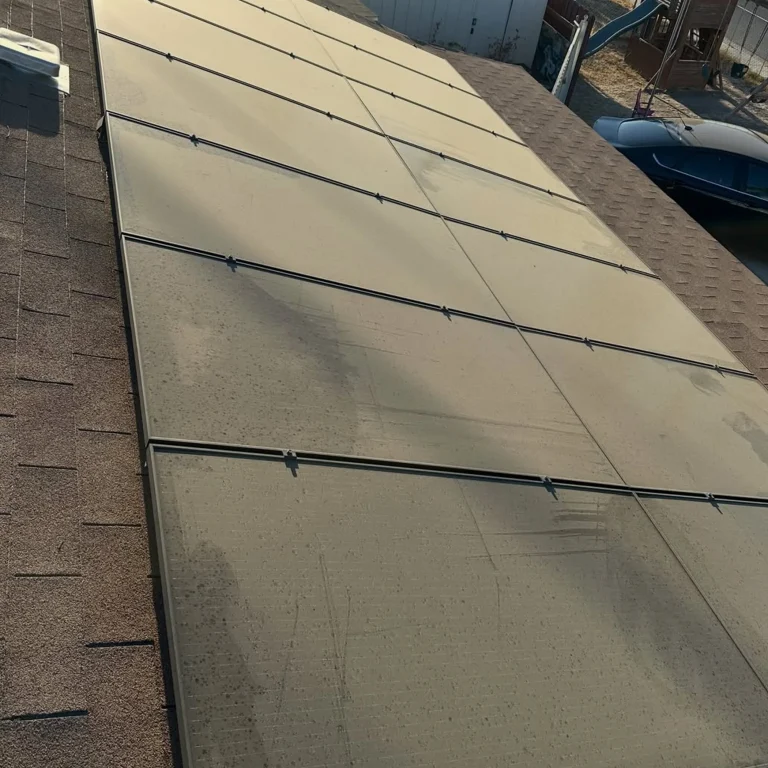
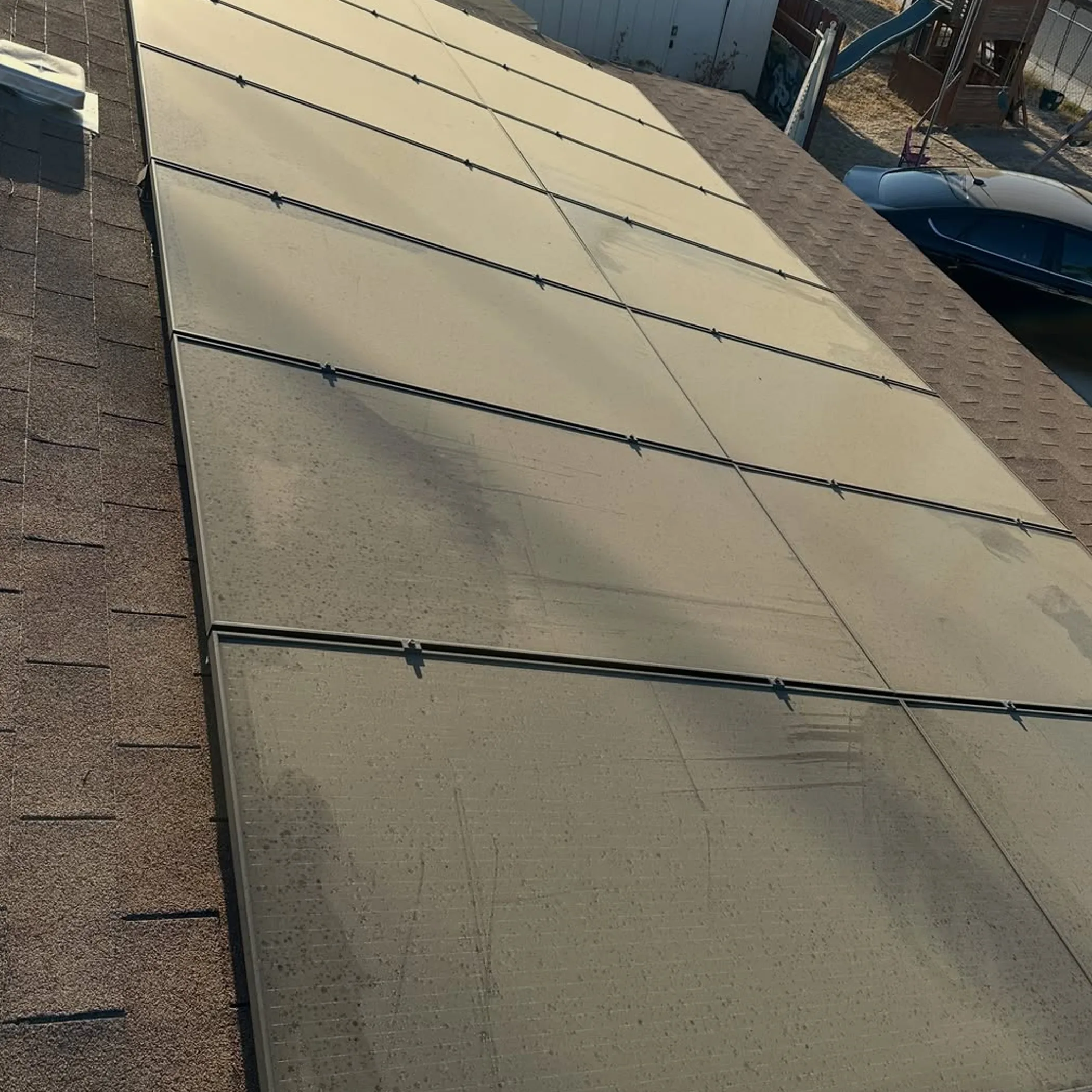
Panels will get dirty from dust, construction activity or birds. Some light dust will go with the rain but a thick layer of it or bird mess will keep the cells from the sun.
Use of abrasive products or improvised equipment on the roof is to be avoided. Put it to a Melbourne solar panel servicing company whether it is safe to clean. Where access is hard, it is better to have the fall protection and gear of a pro than to skimp a few dollars.
Servicing Intervals
You will not find a one size fits all interval for a Victorian property. An older system in the open near the coast or under trees will require more of a hand than a newer one on a roof free of dust and birds. Most will consider an annual review sensible and then do additional checks for any changes in output or following roof work and severe weather, bearing in mind the manufacturer and any warranty stipulations.
Have your inverter model, system size and installation date to hand along with any monitoring screenshots and the latest bills prior to making a booking. Put in for a written quote that will itemise the cost of an inspection, cleaning, repairs and replacement parts. Given the wide variation in price depending on the property’s accessibility, how far one has to travel, the nature of the work and the system itself, any firm number put forward without first viewing the premises is little more than a guess.
Warning Signs
You will see some indications of the need for servicing at once; others only become apparent from data over time. Do not think the system will put right its own problems, make an investigation of any protracted change.
Put your inverter display, electricity bills and monitoring records side by side. Should you be in doubt as to whether a seasonal, structural or electrical matter is at play, cease your efforts and put in a call to a competent local provider for array servicing.
- Faults or shutdowns are registered on the inverter, or a warning light comes on.
- There is an unexplained drop in solar output on a clear day with no alteration in shading.
- Household consumption has not changed yet your power bill has.
- Cracks in the panels, cabling left exposed, loose bits and pieces or water in the vicinity of equipment are all things to look out for.
- The monitoring system has gone quiet or there are long periods it does not report on.
Engaging A Local Provider
Make sure the provider has the necessary roof-safety protocols, experience with solar and the right electrical credentials. Find out what is entailed in an inspection and who will be doing the work, and if a report complete with photos or test results is part of the deal.
Victorians can refer to Energy Safe Victoria for official information on electrical safety. Solar Victoria is of use when one is looking at system changes or putting in for an eligible solar program, but do not make a financial commitment until you have verified the rebate settings and eligibility via the proper channels as they are subject to change.
Some Answers To Frequently Asked Questions
Inquiries about solar tend to conflate the rules of electricity, rebates, heating and panel performance. The following makes a distinction between the finer points of your retailer, property or Victorian setting and the general rule.
What of the 33% Rule?
Do not be under the impression that this is a blanket maintenance rule in Victoria where 33% of a system’s panels will be affected. It could be an installer’s way of explaining something, an export arrangement or a technicality of a given program. Have the provider spell out the rule and the authority for it.
When Is Solar Heating At Its Weakest?
Winter in Victoria affords the least in the way of solar heating, the sun being lower and the days shorter, with cold and clouds compounding the effect. Bear in mind the system type as solar water heating and electricity generation are not one and the same.
And the 20% Rule?
Not every Victorian system is bound by “the 20% rule”. It might be a design margin, an estimate for shading or a condition of a scheme. Until you can put a name to who made the rule and what it means for your address, take it with a pinch of salt.
Best Rebate Rates From Which Retailer?
One cannot point to a retailer and say they always have the best feed-in or rebate in Victoria since contract terms and usage patterns shift. Look at the daily supply charge, the fees and discounts as well as the feed-in rate; the latter being high is no guarantee of a lower overall bill.
Is It Possible To Clean The Panels?
If the panels are within safe reach from the ground you can, but going up on the roof is a fall hazard and the equipment is electrically dangerous. Leave it to a professional where wiring or access is a concern and do not be walking on panels or near damaged cabling.
Spring And Autumn Are Ideal Times
In Victoria spring is the season to get ready for better generation and autumn to spot any damage or debris before winter sets in. Summer is when heat and demand will show up a fault, but save your winter checks for when conditions are dry and safe or a fault demands it.
A good routine of maintenance in Victoria is to service the system professionally when performance wanes, keep an eye on it and do visual checks. Rely on the history of the system and have your records in order. It is a practical and safer course of action than to wait for the inverter to have its way with you.