In this guide we set out how to make sure your Australian toilets, sewer pipes, stormwater drains and sinks are in good order. Put it simply, you should be flushing nothing but human waste and toilet paper; oils, paint, chemicals, solid waste, wipes and fats have no place in a household drain.
I am Isabella Marlowe and one has to learn that trouble with the drains is seldom the result of some grand error. It is more likely to be put down to an innocuous sort of habit over the course of months, be it running coffee grounds to the sink or a “flushable” wipe in the loo or left over cooking oil in the plughole. Before long the water will be slow to go, the kitchen will have an odour about it and you will be calling in a plumber. For more detail, see the causes of blocked drains in Melbourne suburbs.
Australian Drain Care Made Simple
It is a matter of knowing where to put your household waste. A toilet is for the sewer system, outdoor grates are for stormwater, so something put in the wrong spot can end up well outside your property.
There are differences from one state or council to the next in the way they handle collection and rules. I would advise heeding the water authority and any guidance from the council as well as the product label, rather than being swayed by a packet that deems an item flushable.
The Toilet And What It Is For
A toilet is designed to convey urine, faeces and toilet paper through the sewers. The latter will disintegrate in water with little fuss, other things do not; they stay whole or get in the way of pump equipment and pipe joints.
Put a lined bin in the bathroom for the rest of it. You will be surprised at the trouble it averts. No one relishes a blocked dunny in the middle of the night.
- Flush only toilet paper, urine and faeces.
- Wet wipes, nappies, cotton buds, dental floss and sanitary products go in the bin.
- Toys, tissues, hair, condoms and packaging are not for the bowl.
- And never put cat litter, paint, chemicals or medication down there.
Items That Are Best Kept Out
Some of the things you might put down the toilet seem harmless enough when they leave your hand. But later on they will find a rough wall on the pipe or tangle in a tight corner, especially if there is grease involved.
| Item | Why it is an issue | What to do instead |
|---|---|---|
| Wet wipes | Even those marked as such, they do not like to break up and will mix with debris and fat. | Rubbish bin. |
| Paper towels | More absorbent and of a sturdier make than toilet paper. | Compost or general waste. |
| Sanitary products | Water makes them swell and they can block a pipe. | Wrap and put in the bathroom bin. |
| Cotton buds | Prone to lodging in a bend and gathering other material. | General waste. |
| Dental floss | Hard to break down, will make a tangle of it. | Bin it. |
| Nappies | The filling will expand in water. | Securely wrap and put in general waste. |
Do not be under the impression that because something made it through the toilet once it is safe. A flush shows the item has left the bowl, not that it has made its way unscathed through the treatment infrastructure and street network.
Don’t Make A Chute Of Your Kitchen Sink
With its shiny tap it may appear to be a rubbish chute but the kitchen sink is for soap, water and the odd bit of food residue. Scrape your plates and give a greasy pan a wipe before you start washing up.
Pouring in thick food, coffee grounds, paint, harsh chemicals or any form of cooking fat and oil is asking for it. Warm water will take these things only so far before they cool and adhere to the inside of the pipe.
Scrape First
Food scraps are easily avoided. Wipe the cookery with some paper and put the plate in the caddy or bin. A strainer is fine for the larger bits but will not stop dissolved grease from building up on the pipe.
Then there is coffee grounds. They are deceptively harmless looking but in the presence of moisture and grease they become a sludge. One cup will not do it but put in a few every day and you will have turned a narrow pipe into an unhelpful science experiment.
Proper Handling of Oil and Grease
The short answer to whether one can put cooking oil in the sink is no. You will have some residue on a pan after wiping it, that is inevitable, but making a habit of putting liquid oil or melted fat in the drain is not advisable.
Allow the oil from your cooking to cool then put it in a container with a lid. If the council allows it, the general waste bin is where it should go. For bigger quantities there is usually a recycling point or you can make use of your council’s household waste service. Do not pour hot oil into plastic and for your own safety do not handle it when it is at risk of burning you.
Consider this: before you factor in the bottle, a litre of cooking oil comes to about 0.9 kg. It is a lot to be sending down a pipe of only a few centimetres.
Put an End to Wipes and the Like
Sanitary products and wet wipes are designed to hold up when wet, which is fine for the skin but they are the bane of a sewer pipe and a cause of blockages.
Be wary of so called flushable wipes. The manufacturer may have put them through their paces but older pipes, tight bends or pumps further downstream can present problems under local conditions. Water authorities in Australia will tell you to put the wipe in the bin and it is a good rule to follow in the home.
A Matter of Slow Damage
It is rarely spectacular what happens, more gradual. A wipe will lodge on a rough joint, get wrapped with dental floss and hair, grease will seep in. You might not notice the toilet flushing less well or the water rising for weeks.
If visitors or young children are using the bathroom and are not used to it, put out a bin where it can be seen. Most will do the right thing if the option is there.
Fats and Oils Are No Good for Your Pipes
They damage drains because as they cool they stick to the walls of the pipe and whatever is already there, constricting the flow for wastewater. Eventually you have a pipe like a waxed straw.
Grease has a way of mingling with food scraps and wipes. This is why a drain can look all right after a meal and yet be blocked months later from the same sort of disposal. In Melbourne suburbs, particularly in older homes with long private runs, such household accumulation is a common reason for blocked drains.
Heed the Warning Signs
When you have a gurgling sink, a sour odour from the drain, or water standing by a floor waste, take note. One slow fixture is likely a local problem, but if several are affected the issue could be in the private sewer line.
Resist the urge to run boiling water or a chemical opener over a recalcitrant drain. You may dislodge some soft residue but you could also put fumes in the air or harm the fittings without solving the blockage. Leave it to a licensed plumber with the proper equipment.
Chemicals Should Be Stored With Care
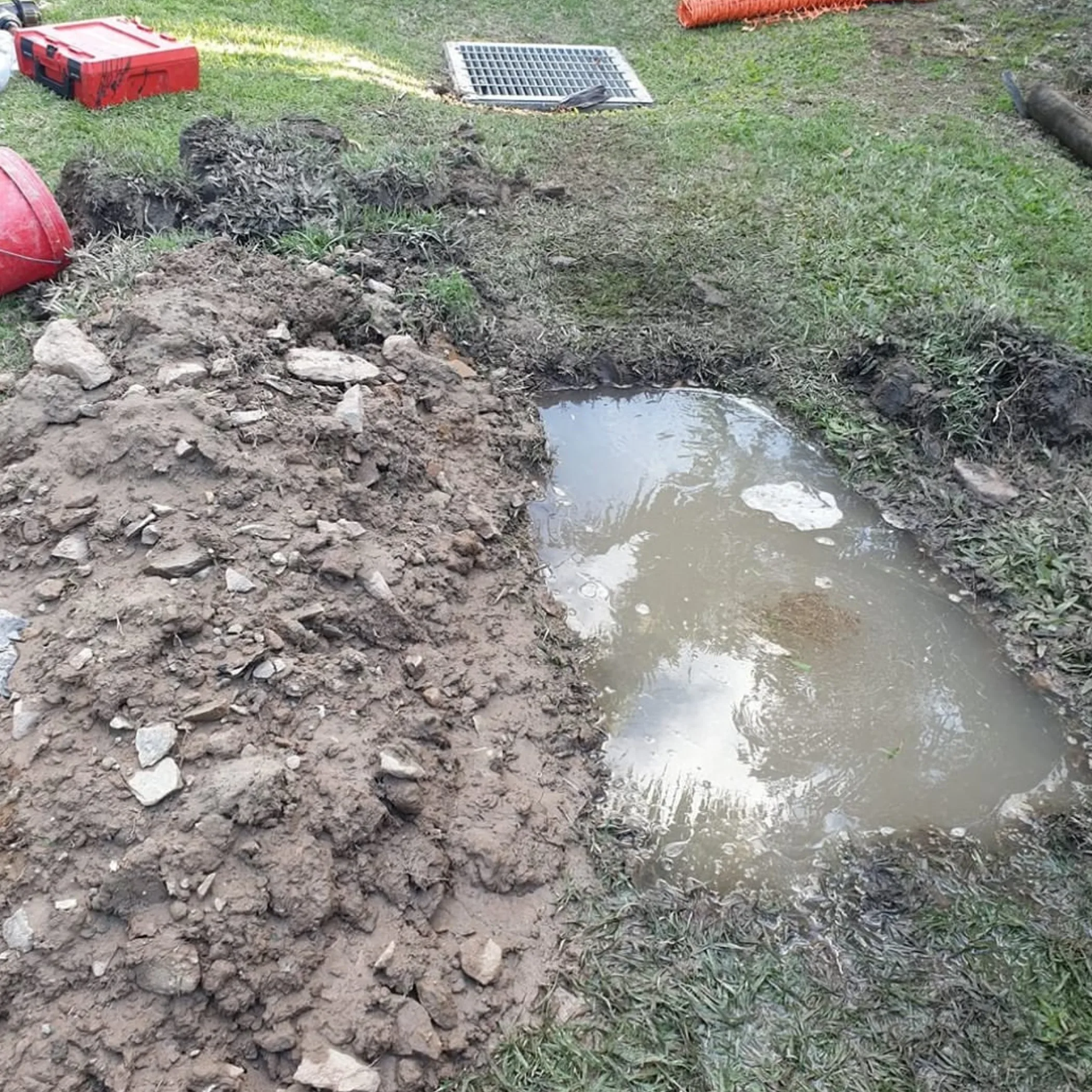
Toilets and outdoor drains are not for medication, paint or household chemicals. In sufficient quantity they can do a number on pipework or get in the way of treatment processes.
Under no circumstances mix cleaning products to clear a blockage; combine ammonia, acids or bleach and you will have dangerous fumes on your hands. Observe the disposal directions from the council or maker of the product and keep the containers upright with the label on.
Medication Disposal
Unless told otherwise by a medical professional or an official, do not flush what you do not want. There is a return service at participating pharmacies in Australia for any medicines that have gone off.
As for paint, leave it for an approved collection service. Solvents and the like pose environmental and safety hazards, and the paint itself will harden in a pipe.
For guidance on waste in Victoria the Environment Protection Authority and your council’s rules are worth consulting.
Take Care of Outdoor Drains
An indoor sewer connection has a treatment system behind it, stormwater drains do not. In most places the street network feeds creeks and rivers and on to the coast.
So even if the drain is not on your property, give it due consideration. Keep vehicle fluids, soil, concrete slurry and the detritus of a weekend project well away from the grates and gutters. A stormwater drain is not the place to make short work of a mess.
Manage Outdoor Runoff
A good downpour will see leaves and the like from the garden blanket the grates and make for some local ponding. Do your part to clear any leaves at the drain entrance, but do not go in after them or put your back into lifting a heavy cover. Make sure children are not near where the water is running hard and should you come across a public drain that is blocked or otherwise unsafe, put in a call to the council or water authority.
Then there is Melbourne weather which has a way of turning on a dime; one wild afternoon of rain can lay bare any weakness in your downpipes, yard drains or sewer connections. It is far more sensible to have done your maintenance before the heaviest rains than to be mopping up an indoor flood.
Safer ways to dispose of things
It is less of a chore when you have a regular place for everything. Put in a sink strainer, a bin for the bathroom, a container for oil with a lid and somewhere to put batteries or chemicals requiring special attention. The trouble is most put it off until it is urgent and then they are left with a pot of congealed fat or a cupboard of old medication to contend with. A planned trip to get rid of it is much simpler.
- Before you rinse a plate, scrape what is left into the bin.
- Wipe the grease off a pan and put any sizeable amount of oil in a marked container.
- For nappies, cotton buds, dental floss, wipes and paper towels, the bin is where they belong.
- Medication, paint and the rest should be taken to a collection service.
- Do not let stormwater drains become a receptacle for detergents, soil, paint or garden refuse.
Were you to put aside a day to put housekeeping in order around the kitchen and bathroom, start there. Clear out under the sink, see what must not be put down the drain and put a strainer or bin within easy reach. Any fool can do it. Leave the dismantling of pipework and deep blockages to a plumber.
On Melbourne blockages
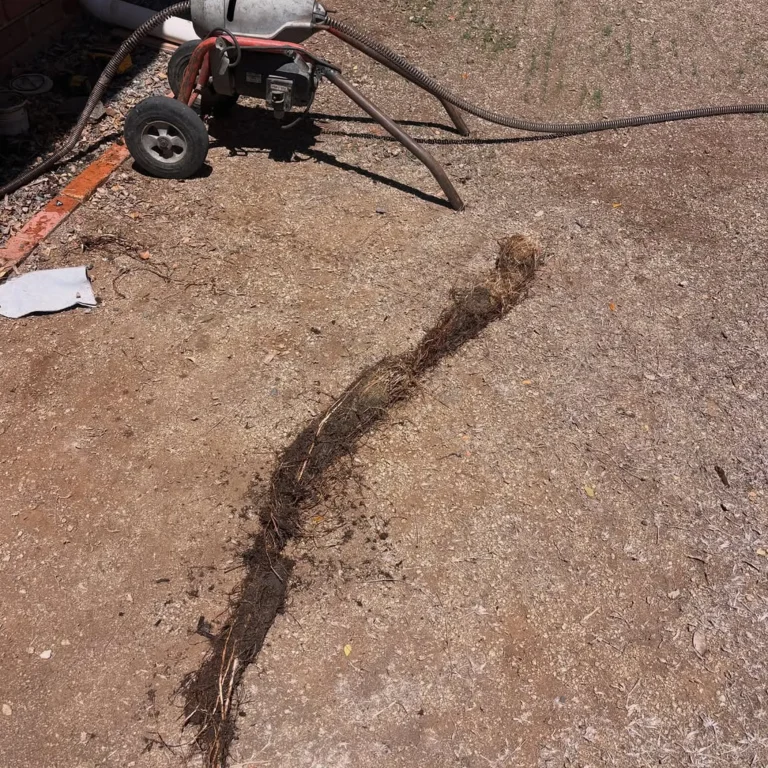
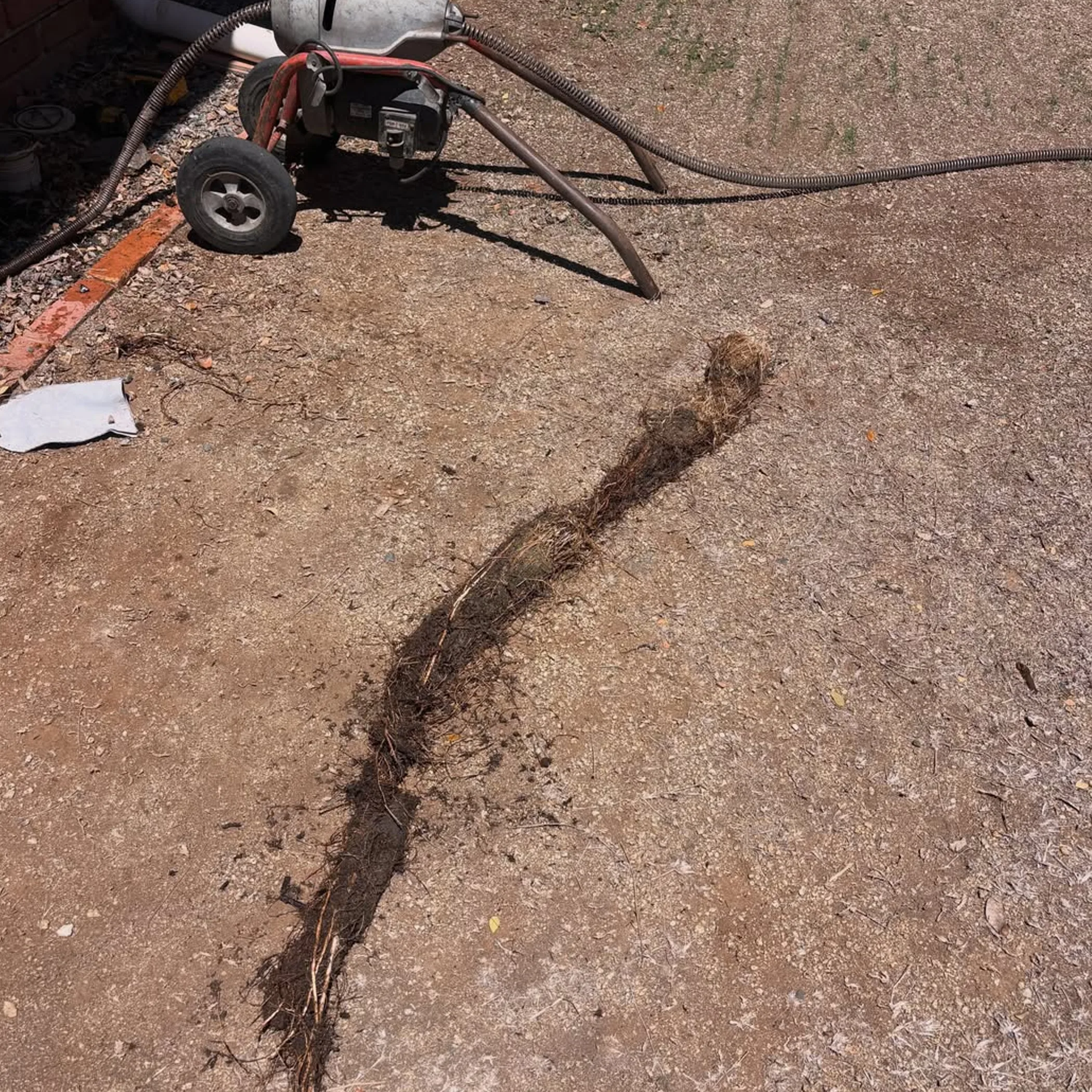
One has to ask what is behind the blocked drains in a Melbourne home. Tree roots, hair, food scraps, a deteriorating pipe or something put down the wrong end by accident are all likely culprits, though it is a matter of the property and its plumbing. In the older homes you find in some suburbs there are long runs of clay or earthenware pipe and mature trees to contend with. Not every old property is a problem, yet a small error in disposal can play on those weaknesses.
I was once surprised at how little it takes to make a nuisance of household plumbing when I began to look at it more closely. The blockage was no monolith, just a sticky accumulation of ordinary items for the bin. Plumbers will tell you the same: prevention may be dull but it is not as expensive as an emergency.
Drain questions answered
Product labels and what you are used to doing are not always in line with what a drain can take, so these questions are asked. For the most part the answer is not very exciting: contain it, use a collection service or put it in the bin.
What is not to be flushed?
Human waste and toilet paper, nothing else. That means no wet wipes, nappies, sanitary products, cotton buds, dental floss, paper towels, solid objects, paint, chemicals or hair.
Cooking oil in the sink?
Not advisable. Let it cool and put it in a sealed container in accordance with the rules for household waste. A wipe of the pan will take care of any residue.
Are flushable wipes alright for Australian drains?
They will still cause blockages in narrow pipes, pump networks and older systems. Consider them rubbish and put them in a lined bin in the bathroom.
How about cooking grease?
Do not be tempted to pour it in the sink, toilet or a stormwater drain. Once it has cooled and hardened, seal it in a container or add to general waste as the council would have it.
And what is liable to do harm to your pipes?
Grease, corrosive chemicals, paint, tree roots and wipes can all be damaging. Repeated food buildup and chemical cleaners, if you mix them or are not careful with them, present their own risks.
Make your drains uninteresting
You do not want to be giving thought to your drains. Contain the oil, put the wipes in the bin, keep the chemicals at bay. It is a routine that will spare you any unpleasantness and see the sewer and stormwater in Melbourne function properly. Boring is a good thing in plumbing, and here it is a victory.